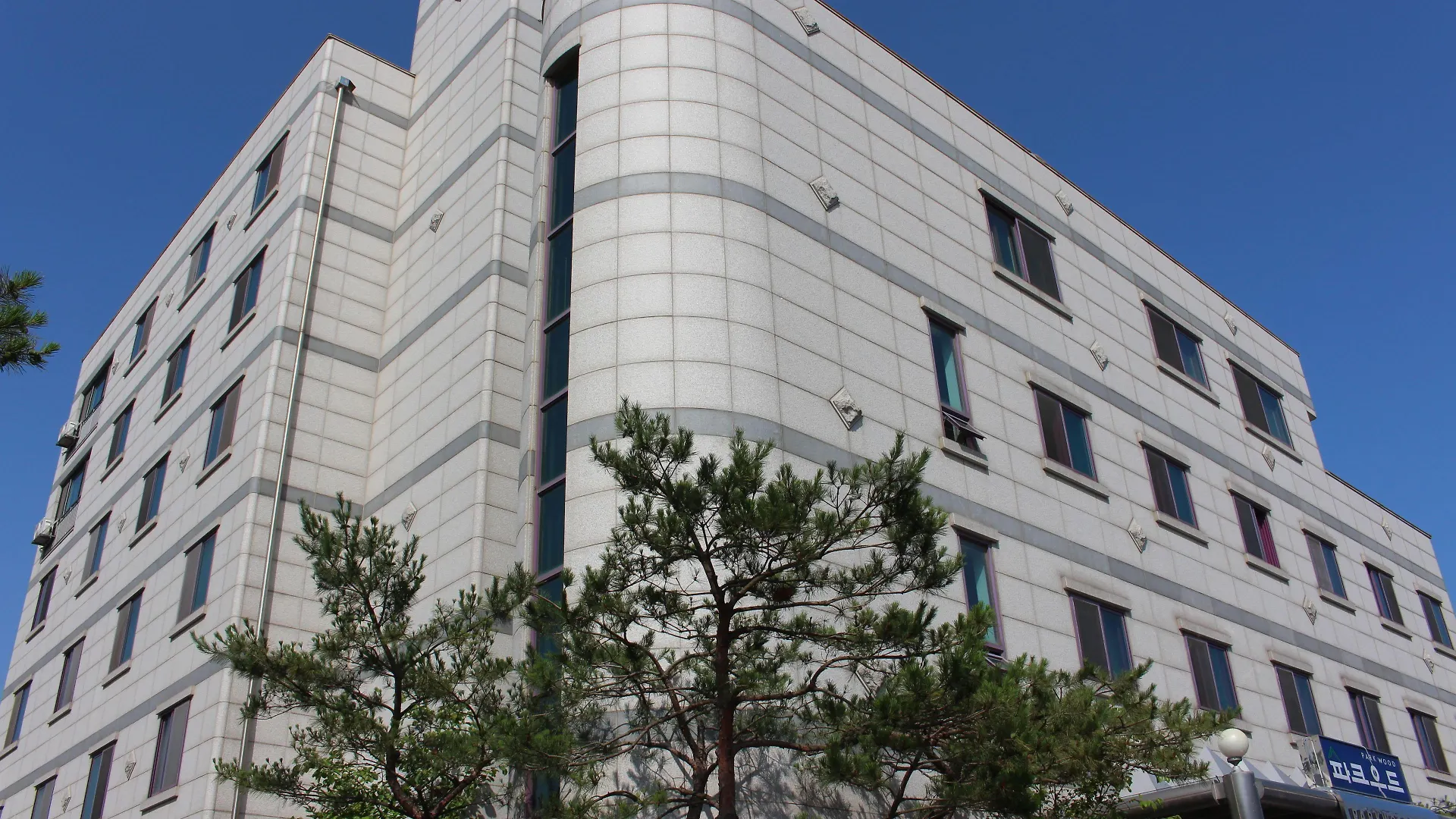
South Korea draws solo travelers for concrete reasons: an efficient public transit network, low street-crime rates, and a dense concentration of experiences across a compact geography. From Seoul's 24-hour nightlife districts to coastal Sacheon and the airport island of Yeongjong, solo travelers have real options across very different environments. This guide compares 4 hotels across multiple cities to help you decide where to base yourself - and why.
What It's Like Staying in South Korea as a Solo Traveler
South Korea is one of Asia's most solo-travel-ready destinations. The T-money transit card works across buses, subways, and even some taxis nationwide, making city-hopping genuinely low-friction. Seoul alone has around 9.7 million residents concentrated across a dense urban grid, which means accommodation options, convenience stores (open 24/7), and transit hubs are rarely more than a short walk from wherever you sleep. Outside Seoul, cities like Sacheon and Incheon offer a slower pace without sacrificing safety or accessibility. Solo dining is normalized here - many restaurants have single-seat counters and vending-machine ordering systems specifically designed for one person. The cultural gap is real, however: English signage is limited outside major tourist corridors, and navigating smaller towns without Korean-language apps adds friction.
Pros:
- Subway and bus networks are among the most reliable in Asia, making solo movement between neighborhoods and cities genuinely straightforward
- Crime rates against tourists are low, and solo travelers - including women - consistently report high levels of street safety even late at night in major cities
- Solo dining culture is embedded in everyday life, with ichiran-style solo counters and convenience store meal setups that remove social awkwardness from eating alone
Cons:
- Outside Seoul and Busan, English-language support drops sharply - rural or secondary cities like Sacheon require Korean-language navigation apps or a willingness to communicate through translation tools
- Accommodation pricing is typically per room, not per person, so solo travelers absorb the full double-room rate without any cost-splitting advantage
- Seasonal crowd surges during Chuseok and Seollal holidays create significant transit congestion and hotel price spikes, which can disrupt solo itineraries built around flexibility
Why Choose a Hotel (vs. Hostel or Guesthouse) for Solo Travel in South Korea
Hotels in South Korea's secondary cities often undercut what you'd expect to pay for equivalent comfort in Seoul - a 4-star property in Sacheon or near Incheon Airport can run significantly below the Seoul average for comparable facilities. Solo travelers who prioritize privacy, reliable WiFi, and 24-hour front desk access consistently favor hotels over guesthouses in South Korea, particularly for itineraries involving early flights or late-night arrivals. Room sizes in Korean hotels are compact by Western standards - standard rooms typically hover around 20-25 m2 - but the trade-off is modern fit-out, efficient use of space, and features like Ondol heated flooring that add genuine comfort in colder months. Unlike capsule or hostel formats, hotels here give solo travelers a private, lockable space without the social pressure of shared dorms, which matters for travelers on working trips or those with irregular schedules.
Pros:
- 24-hour front desk services are standard in most Korean hotels, providing solo travelers with on-demand luggage storage, local advice, and late check-in without extra fees
- Hotels in non-Seoul cities offer strong value - 4-star standards at around half the Seoul rate are achievable in cities like Sacheon, including breakfast and parking
- In-room amenities like Ondol flooring, bidets, and flat-screen TVs with extensive channel selections are consistent across Korean hotel categories, even at mid-range price points
Cons:
- Single-occupancy rates are rarely discounted - solo travelers pay the full room rate, which erodes value compared to a group booking split across the same room
- Hotel restaurants and buffets are priced for groups; solo travelers often find better value eating at local pojangmacha stalls or convenience stores near the hotel
- Hotels near airports or in suburban zones (like Yeongjong Island) offer convenience but limited walkability - solo travelers without a car or transit plan can feel isolated outside peak hours
Practical Booking & Area Strategy for Solo Travelers in South Korea
Seoul is the logical base for first-time solo visitors - specifically districts like Itaewon, Hongdae, or Myeongdong, where English menus, international ATMs, and late-night transit intersect in one walkable zone. For solo travelers with early or late Incheon Airport connections, staying on Yeongjong Island avoids the costly and time-consuming commute from central Seoul, which can run over an hour on the Airport Railroad. Sacheon, in South Gyeongsang Province, is a hidden gem for solo travelers who want to explore the lesser-visited southern coast - it sits within reach of Jinju's historical fortress and Tongyeong's scenic harbor without the tourist density of Busan. The KTX high-speed rail connects Seoul to southern cities in under 3 hours, making multi-city solo itineraries practical without a rental car. Solo travelers should book at least 6 weeks ahead for travel during cherry blossom season (late March to mid-April) and autumn foliage (October), when hotel rates in popular corridors spike sharply and availability tightens across all categories.
Micro-location tip: In Seoul, hotels within 500 meters of a subway station cut commute friction significantly - Seoul's subway runs until around midnight, and proximity determines whether you make the last train or pay for a late taxi.
Price-city strategy: Yongin, south of Seoul, offers suburban hotel rates with reasonable access to Gangnam and COEX via expressway - worth considering for solo travelers who plan to rent a car or use rideshares rather than relying on subway lines.
Hotels Near Incheon Airport & Seoul
These hotels serve solo travelers arriving or departing through Incheon International Airport or basing themselves in or near Seoul - covering both transit convenience and urban lifestyle access.
-
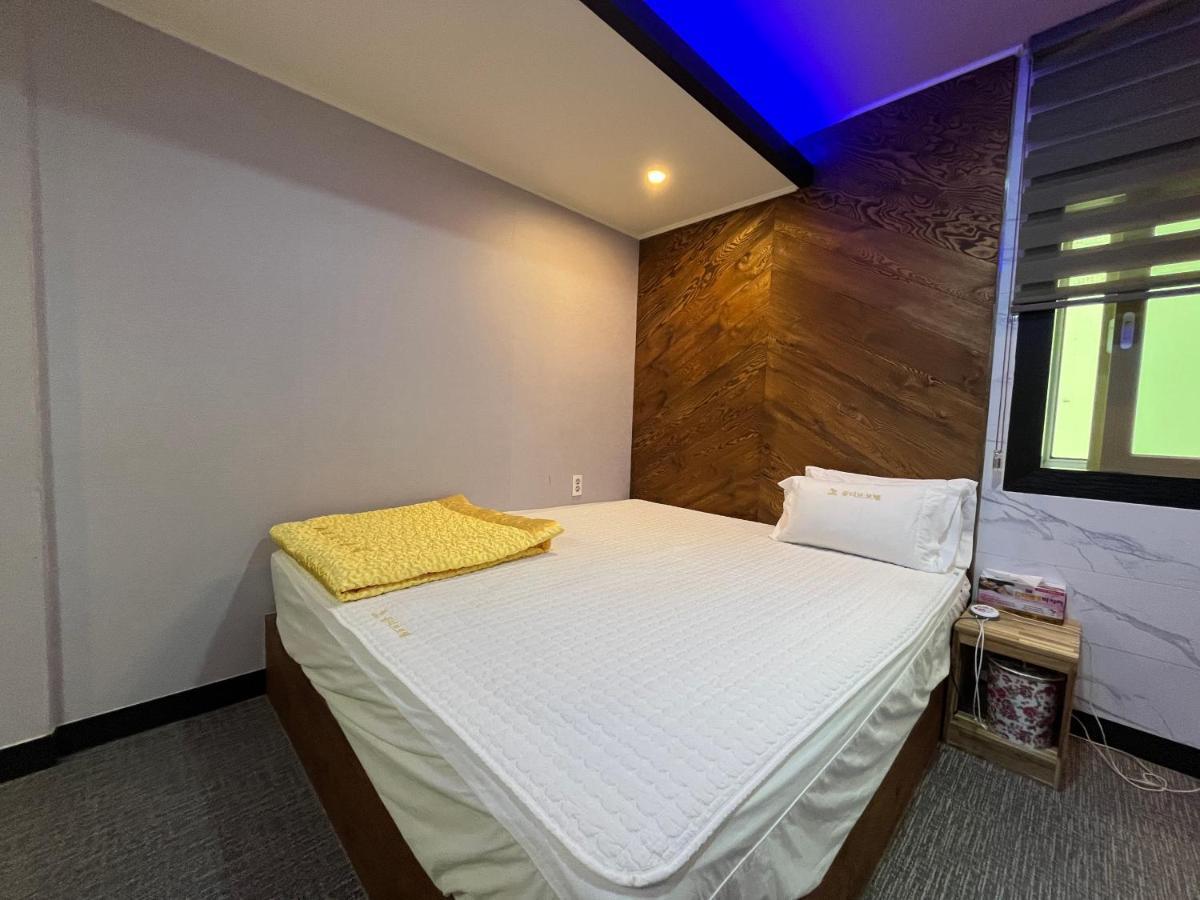
1. Hotel Parkwood Incheon Airport
Show on map


 Check-infrom 15:00 until 23:59Check-outuntil 11:00
Just a few rooms left at the best rate!
from₩ 50633
-
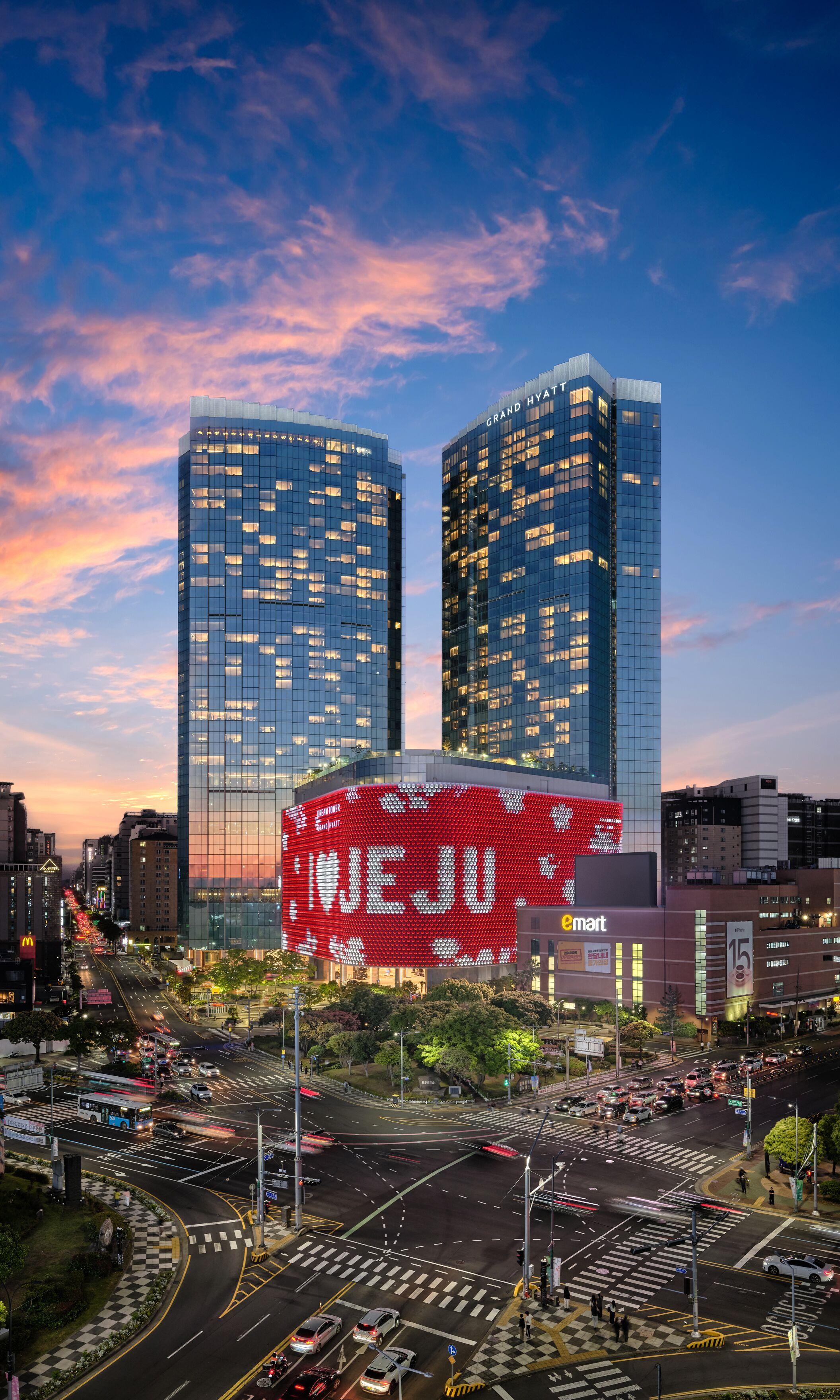
2. Mondrian Seoul Itaewon
Show on map


 Check-infrom 15:00 until 23:59Check-outuntil 11:00
Just a few rooms left at the best rate!
from₩ 385373
Hotels in Sacheon & Yongin (South & Greater Seoul)
These two properties serve solo travelers exploring South Korea's southern coast or staying in the greater Seoul metropolitan area at a lower price point than central districts.
-
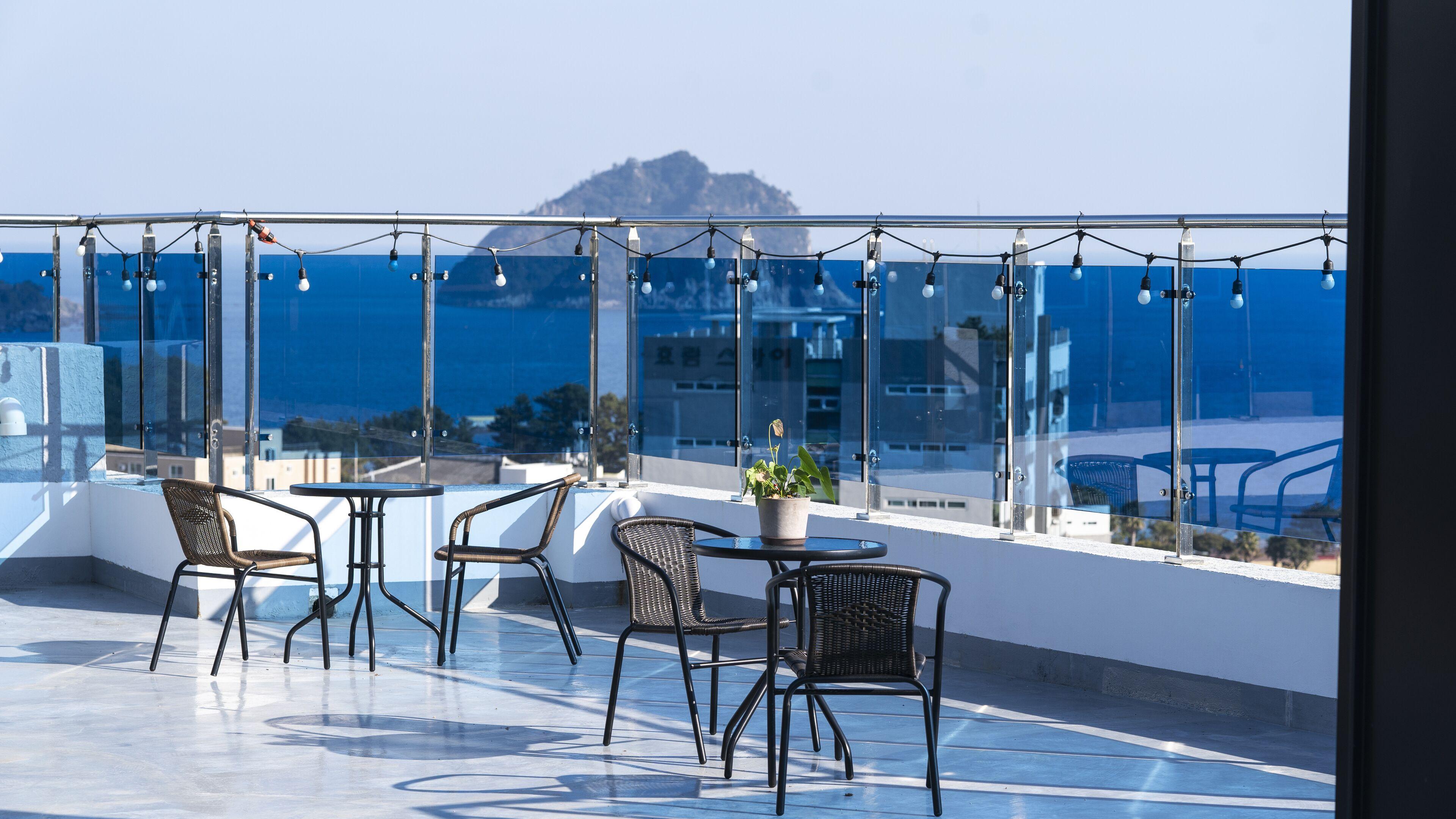
3. Sacheon Grand Tourist Hotel
Show on map


 Check-infrom 15:00 until 23:59Check-outfrom 06:00 until 11:00
Hurry – almost gone at this price!
from₩ 82982
-
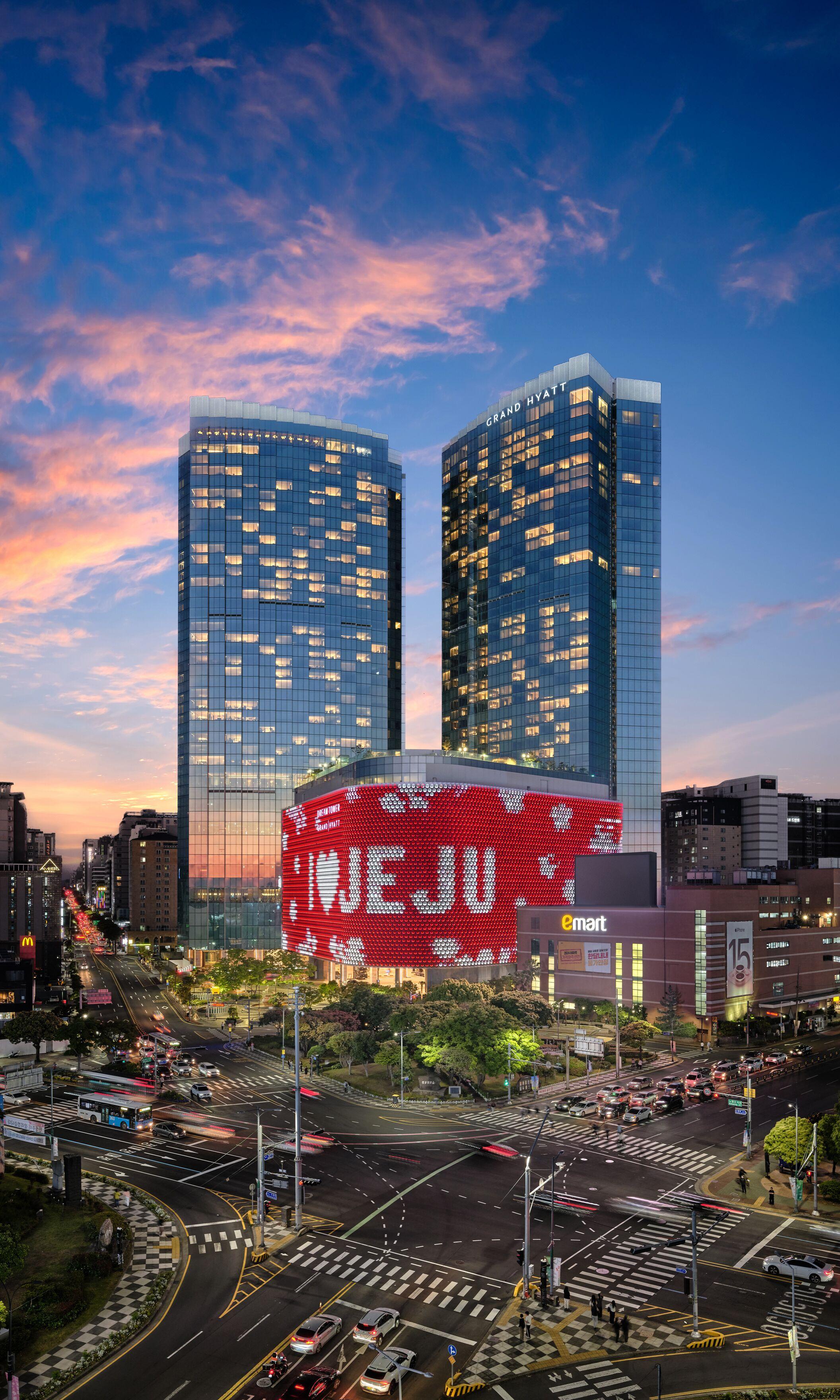
4. Astro Hotel
Show on map


 Check-infrom 15:00 until 23:59Check-outuntil 13:00
Rooms filling fast – secure the best rate!
from₩ 112518
Smart Travel & Timing Advice for Solo Travelers in South Korea
South Korea's travel calendar has two high-demand windows that significantly affect hotel availability and pricing: cherry blossom season concentrated in late March through mid-April, and the autumn foliage period peaking in October. During these windows, hotel rates in Seoul and popular secondary cities can increase by around 40% versus the off-peak baseline, and rooms near major parks and palaces sell out weeks in advance. January and February are the quietest months - cold (Seoul averages below freezing at night), but dramatically cheaper for solo travelers willing to layer up and enjoy crowd-free access to attractions like Gyeongbokgung Palace. For most solo itineraries, 5 to 7 nights is enough to cover Seoul thoroughly and add one regional destination; anything shorter cuts the regional exploration that distinguishes a South Korea trip from a pure Seoul city break. Book at least 6 weeks ahead for spring and autumn travel - last-minute availability drops sharply in mid-range and lifestyle hotels. For airport-adjacent hotels like Hotel Parkwood, last-minute bookings are more viable since demand is driven by transit needs rather than sightseeing calendars, making them a reliable fallback for flexible solo itineraries.