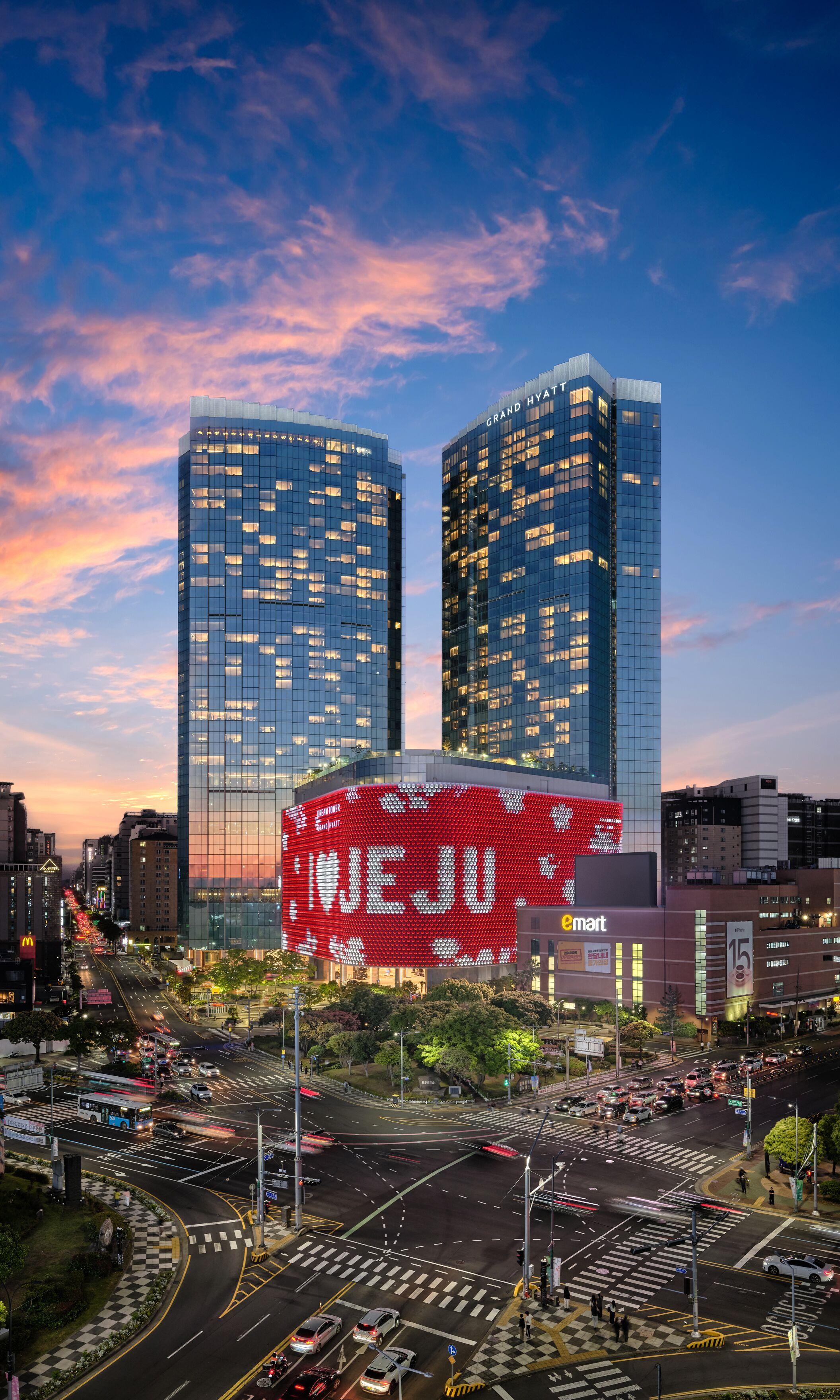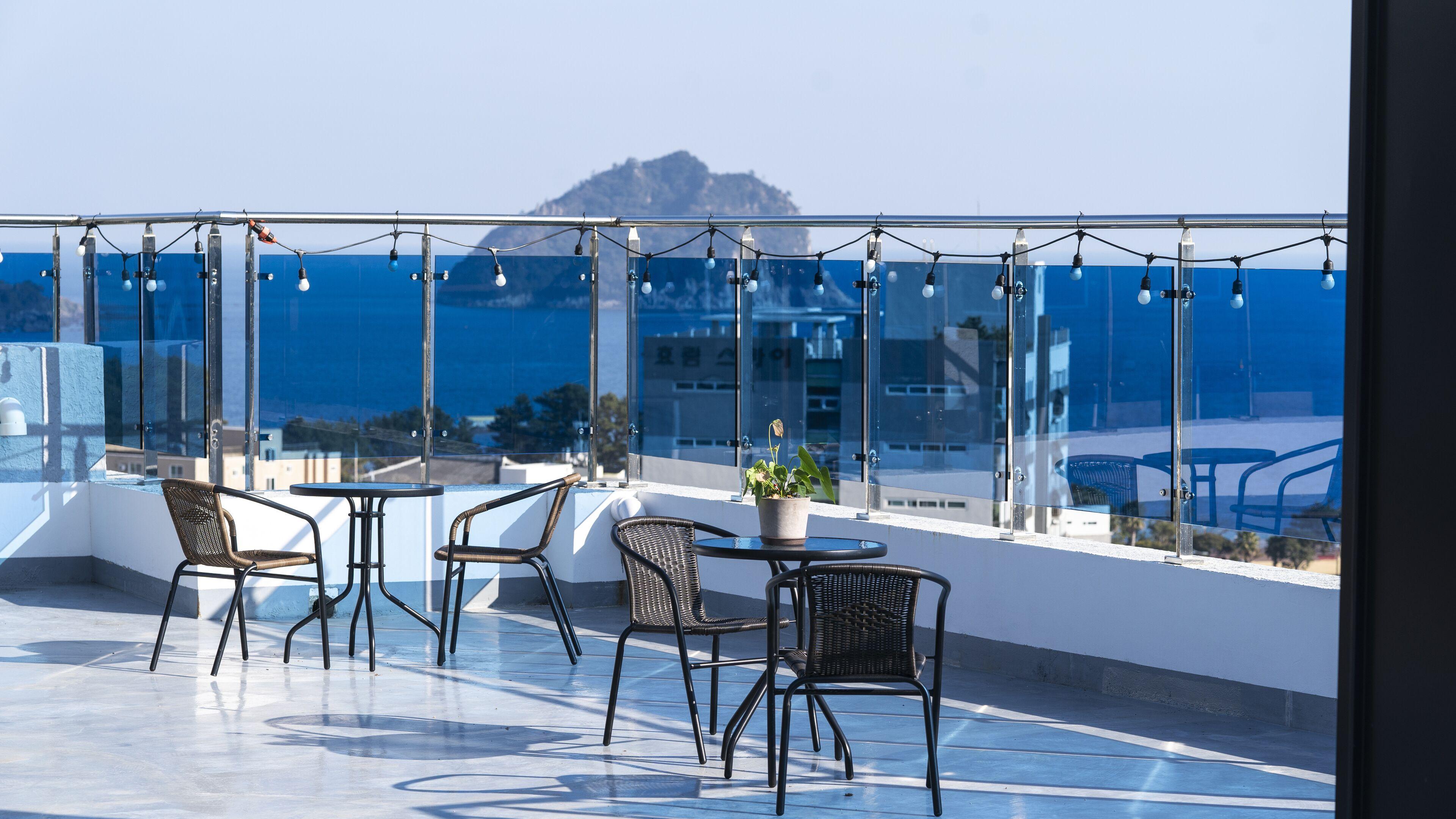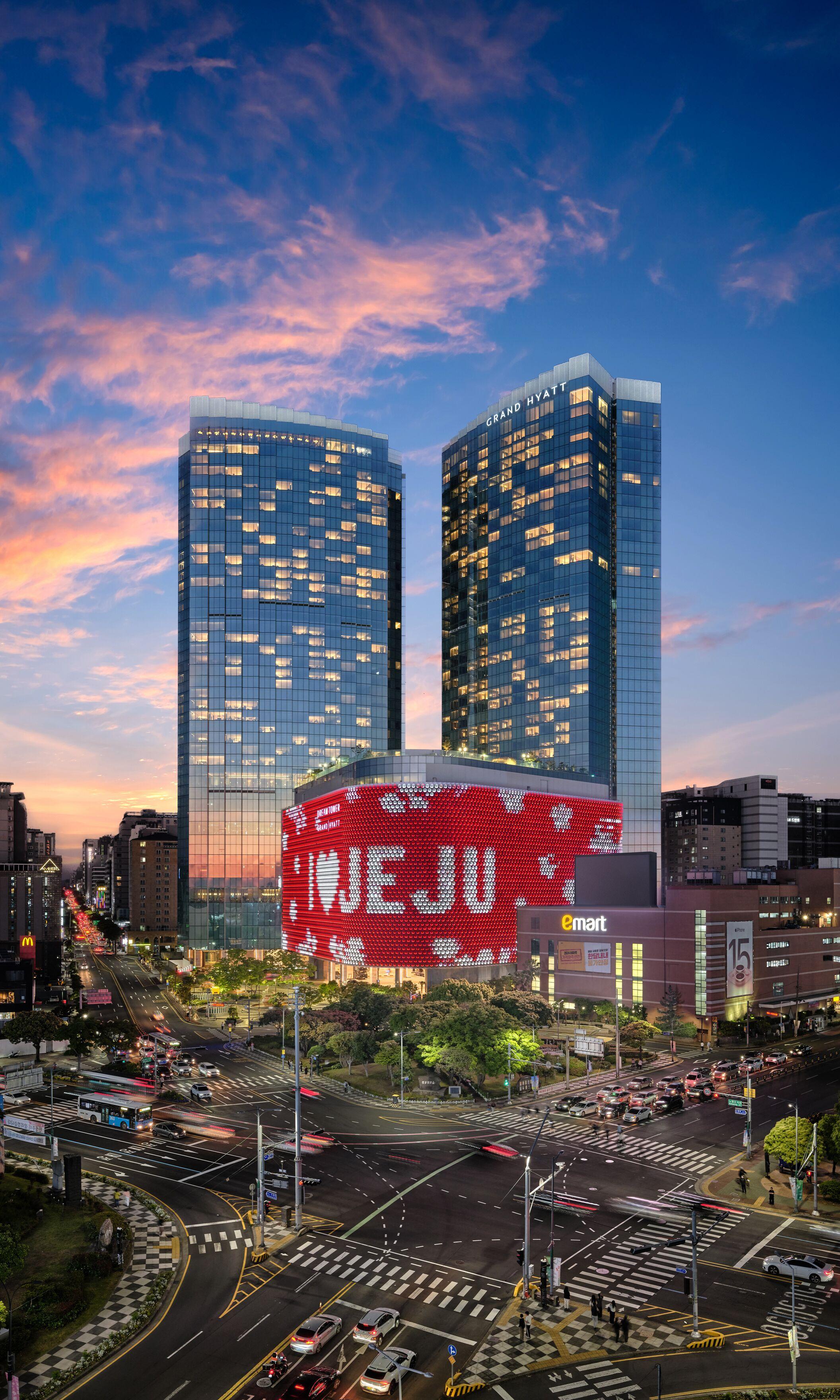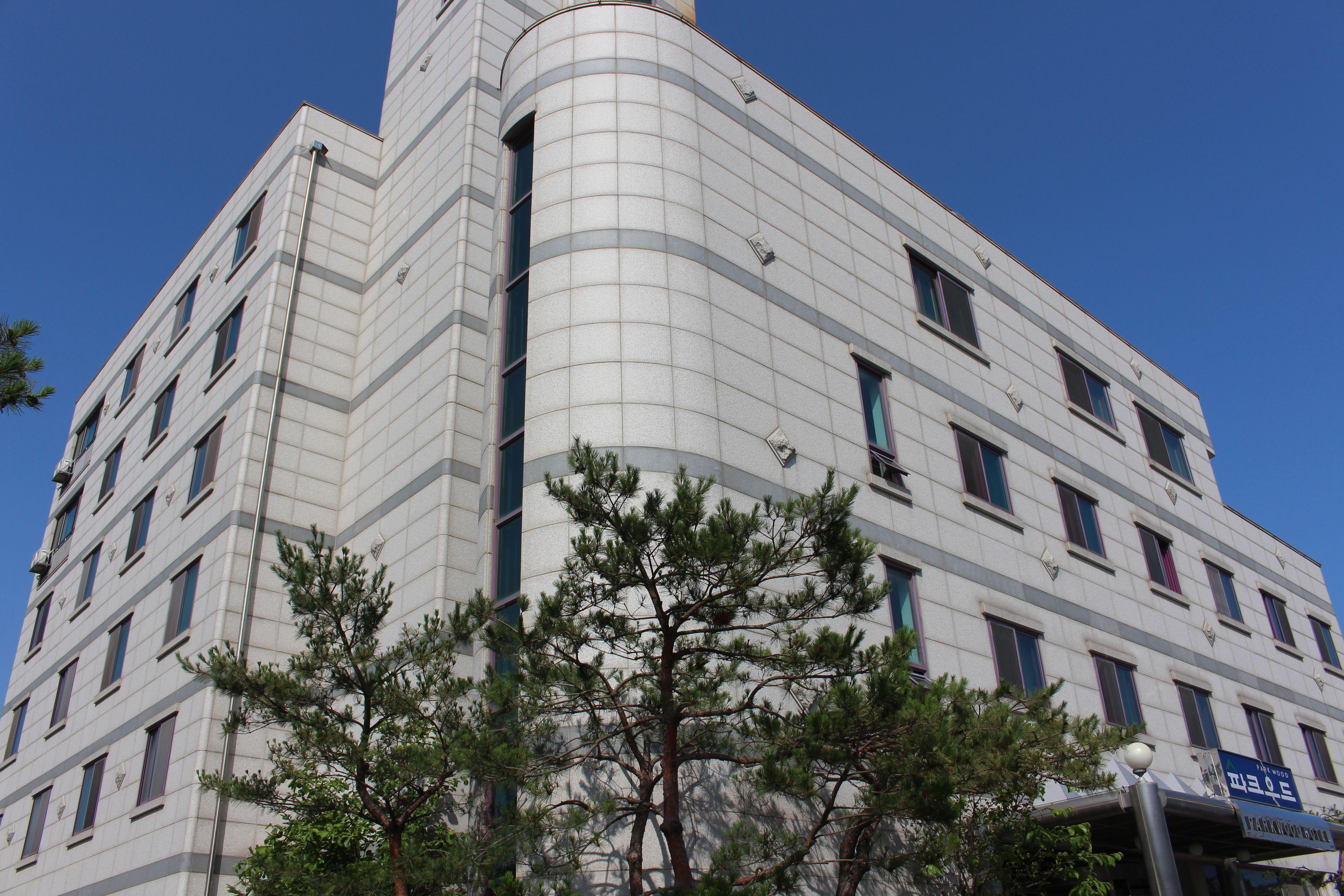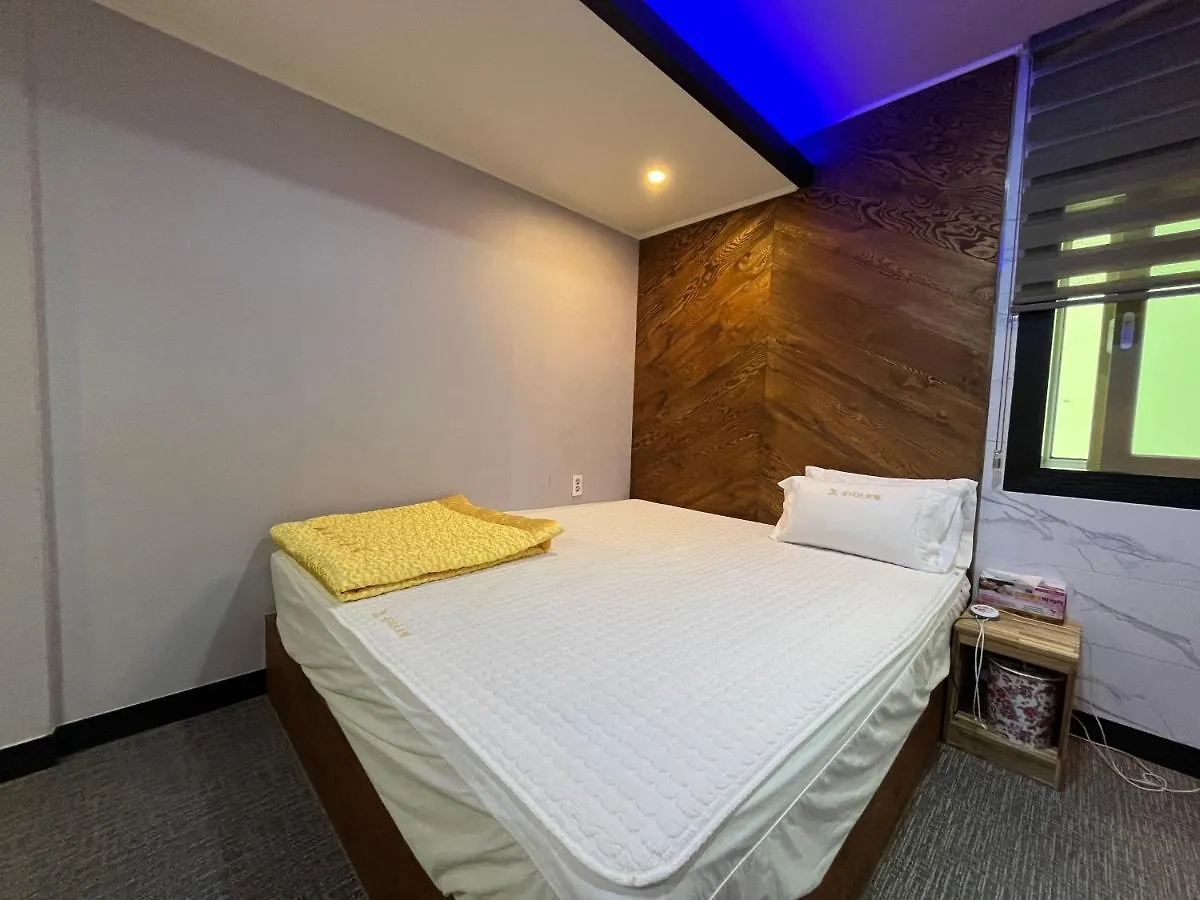
Staying connected in South Korea is rarely a problem - the country consistently ranks among the world's top nations for internet infrastructure - but not all hotel WiFi is created equal. This guide cuts through the noise to present five highly rated hotels across Busan, Jeju Island, Changwon, and Sacheon where free WiFi performs reliably, backed by real guest feedback and concrete on-the-ground details to help you book with confidence.
What It's Like Staying in South Korea
South Korea packs an extraordinary density of experiences into a relatively compact territory - from the neon-lit streets of Busan's Seomyeon district and the volcanic landscapes of Jeju Island to the coastal fortress of Jinjuseong and the industrial-chic energy of Changwon. Seoul aside, cities like Busan and Jeju attract millions of domestic and international visitors annually, which means accommodation quality is competitive and traveler infrastructure is genuinely excellent. Outside major holiday periods, crowds at regional destinations thin noticeably, making spontaneous exploration far more rewarding than in peak season.
South Korea's public transport system - especially the KTX high-speed rail - connects most major cities efficiently, and Gimhae International Airport near Busan serves as a key regional hub with connections to over 30 international destinations. Travelers seeking cultural depth, food diversity, and tech-forward hospitality will find South Korea consistently delivers; those seeking remote, slow-travel escapes may find the urban pace and tourist infrastructure at major sites overwhelming during peak periods.
Pros:
- Exceptional nationwide internet infrastructure makes hotel WiFi consistently fast and reliable across all regions
- Dense network of budget-to-midrange hotels near major transport links in Busan, Jeju, and secondary cities reduces transfer costs significantly
- South Korean hotels routinely include bidet-equipped bathrooms, in-room kettles, and flat-screen TVs as standard - even at mid-tier price points
- Peak domestic travel periods (Chuseok in late September/October and Seollal in January/February) push hotel rates up sharply and cut availability fast
- English signage and multilingual hotel staff can be inconsistent outside Busan and Jeju, requiring some preparation for independent travelers
- Regional cities like Sacheon and Changwon lack the tourist infrastructure of Seoul or Busan, limiting dining and nightlife options near some hotels
Why Choose a Hotel With Top-Rated Free WiFi in South Korea
South Korea operates at a digital pace that most countries haven't reached yet - mobile check-ins, QR-code menus, real-time transport apps, and instant translation tools are all part of daily travel here. A hotel with reliably fast free WiFi isn't a bonus in South Korea - it's a functional necessity for navigating transit apps like Kakao Maps, booking same-day activities, or managing work remotely. The difference between a hotel that markets "free WiFi" and one that actually delivers consistent speeds can determine the quality of your entire stay.
Hotels in this selection range from hostel-style budget options near Busan's Gwangalli Beach to 4-star properties in Changwon and Sacheon with business centres, fitness facilities, and full breakfast service. Expect to pay around 30% more per night at the 4-star tier compared to the mid-range options, but the jump typically includes significantly larger rooms, dedicated reception staff, and more reliable connection infrastructure. For business travelers or digital nomads staying more than three nights, that investment is usually justified.
Pros:
- Hotels flagged for strong WiFi in South Korea typically use fiber-optic or dedicated hotel-grade connections - not the throttled shared connections common in cheaper guesthouses
- Most properties in this selection offer free private parking, reducing the cost of renting a car to explore Jeju Island or coastal Sacheon
- Family room configurations are available across the board, making these hotels practical for groups traveling with children or extra luggage
- Budget-leaning properties like the hostel option in Busan sacrifice room size and soundproofing for price, which affects comfort during longer stays
- Hotels in secondary cities (Changwon, Sacheon) have fewer walkable restaurant and convenience options compared to Busan or Jeju City-adjacent properties
- Airport shuttle availability varies - only one property in this selection includes a paid airport transfer service, so ground transport planning is essential
Practical Booking & Area Strategy for South Korea
Busan is South Korea's second city and the strongest base for travelers who want beach access, urban dining, and straightforward airport connections - Gimhae International Airport sits around 14 km from Seomyeon's hotel corridor, making it one of the most transfer-efficient urban cores in the country. Jeju Island, accessible by frequent 1-hour domestic flights from both Seoul and Busan, rewards travelers who rent a car: the island's highlights - Hallasan National Park, Soesokkak Estuary, and the Jungmun Resort coast - are spread across a route best covered on your own schedule. Changwon and Sacheon appeal to travelers combining business with leisure or exploring South Gyeongsang Province's underrated coastline and historical sites like Jinjuseong Fortress, which most international tourists miss entirely.
For transport logistics, the KTX connects Busan to Seoul in around 2.5 hours, and intercity buses cover Changwon and Sacheon efficiently from Busan. Booking at least 6 weeks ahead for Jeju during spring (April-May) or autumn (September-October) is strongly advised - domestic Korean tourism to the island is enormous during these windows and mid-range inventory disappears quickly. In Busan, properties near Seomyeon Station offer the best balance of metro access, food streets, and proximity to both the beach districts and the airport shuttle corridor.
Best Value WiFi Hotels in Busan & Jeju
These properties in Busan and Jeju Island offer reliable free WiFi alongside practical room configurations and competitive rates, making them strong picks for travelers prioritizing connectivity without overspending.
-
1. Hotel Run
Show on map


 Check-infrom 16:00 until 22:00Check-outuntil 11:00
Just a few rooms left at the best rate!
from₩ 53446
-
2. Maldives Hotel & Hostel
Show on map


 Check-infrom 16:00 until 23:59Check-outuntil 11:00
Just a few rooms left at the best rate!
from₩ 296765
-
3. Denbasta Central Hotel Seomyeon
Show on map


 Check-infrom 16:00 until 23:59Check-outuntil 11:00
Hurry – almost gone at this price!
from₩ 147679
4-Star WiFi Hotels in Changwon & Sacheon
These two 4-star properties in South Gyeongsang Province cater to travelers combining business with regional exploration, offering full-service amenities - fitness centres, restaurants, and breakfast - at rates notably lower than equivalent-tier hotels in Busan or Seoul.
-
4. Grand City Hotel Changwon
Show on map


 Check-infrom 15:00 until 23:59Check-outuntil 11:00
Hurry – almost gone at this price!
from₩ 109705
-
5. Sacheon Grand Tourist Hotel
Show on map


 Check-infrom 15:00 until 23:59Check-outfrom 06:00 until 11:00
Rooms filling fast – secure the best rate!
from₩ 82982
Smart Travel & Timing Advice for South Korea
South Korea has two peak domestic travel windows that significantly affect hotel availability and pricing: the Chuseok harvest holiday (late September into early October) and the spring cherry blossom season (late March through mid-April), particularly in Jeju and coastal Gyeongsang. During these windows, mid-range and 4-star hotels in Busan and Jeju can sell out weeks in advance, and rates typically climb sharply - booking early is not optional, it's essential. Outside these spikes, January through February (excluding Seollal) and late June through early July represent the quietest and most affordable windows for South Korea travel, with reduced crowds at major sites like Jinjuseong Fortress and Jeju's Hallasan trails.
A minimum of 3 nights per city makes logistical sense given South Korea's transit system - shorter stays in Busan or Jeju rarely allow enough time to explore beyond the immediate hotel area. For Sacheon and Changwon, 1 to 2 nights work well as part of a South Gyeongsang loop. Last-minute bookings in secondary cities like Sacheon and Changwon carry less risk than in Busan or Jeju, where inventory is tighter and prices are less negotiable. If traveling during cherry blossom or autumn foliage season, lock in accommodation at least 8 weeks ahead - especially for any Jeju Island property with free parking, which sells particularly fast among domestic Korean road-trip travelers.