South Korea has become one of Asia's most practical destinations for families traveling with children. Between Jeju Island's coastal resorts, Seoul's urban energy, and the quieter coastal towns of the south, the country offers a surprisingly wide range of family-friendly accommodation - from 5-star resorts with indoor and outdoor pools to beachfront motels steps from the water. This guide covers 7 hotels across South Korea that stand out for space, facilities, and real logistical value for families.
What It's Like Staying in South Korea with Kids
South Korea is one of the safest countries in Asia for family travel - public transport is clean, efficient, and easy to navigate even with strollers and young children. The country spans a diverse set of environments: volcanic Jeju Island with beaches and lava tube caves, the buzzing street culture of Seoul, the historic fortress city of Jinju, and quiet East Sea coastal towns like Gangneung. Crime rates are among the lowest in OECD countries, which makes nighttime outings and independent exploration genuinely stress-free with kids in tow. Crowds can be intense during Korean national holidays - particularly Chuseok and Lunar New Year - when domestic tourism surges and accommodation prices spike across the country.
South Korea's food culture is family-accessible in most cities, with Korean BBQ, bibimbap, and kimbap options that children typically take to quickly, plus widespread availability of international chains in larger cities. The biggest practical challenge for foreign families is language - outside Seoul and Jeju, English signage and English-speaking staff become significantly less common.
Pros:
- Exceptionally low street crime makes solo exploration with children very manageable across most cities
- Jeju Island, Gangneung, and Mokpo each offer coastal experiences with very different landscapes and atmospheres
- Korea's T-money card system covers buses, metro, and some taxis nationwide, simplifying family transport logistics
Cons:
- Peak holiday periods (Chuseok, Lunar New Year) create crowding at major attractions and significantly higher hotel rates
- Outside Seoul and Jeju, English-language support at hotels and restaurants is limited
- Long distances between major family-friendly regions require domestic flights or multi-hour KTX train journeys
Why Choose Family Hotels in South Korea
Family-designated hotels in South Korea tend to offer meaningfully larger room configurations than standard double rooms - many include bunk beds, ondol-style floor sleeping areas, or connecting room options that are genuinely practical for families with multiple children. 4-star and 5-star family hotels typically include facilities like indoor pools, buffet breakfasts, and shuttle services that reduce the daily logistical load of traveling with kids. Budget motels near beaches (common along the East Sea coast) provide a more affordable base but with fewer on-site amenities. The price gap between a beachfront motel and a full-service 4-star hotel in South Korea can reach around 60% more per night for the latter - but the included facilities often justify it for families with young children who need structured downtime.
What distinguishes family hotels in South Korea specifically is the combination of Korean hospitality standards - attentive service, meticulous cleanliness - and facilities calibrated for multi-generational groups, a reflection of Korea's strong domestic family travel culture. Fitness centers, business centers, and multi-restaurant setups are common even in mid-range properties, though room size still varies significantly by region and property age.
Pros:
- Korean family hotels frequently include buffet breakfasts with both Korean and Western options, reducing morning meal stress
- Free private parking is standard at most family properties outside Seoul - critical for families renting cars to explore rural areas
- Indoor pools and year-round fitness facilities allow family downtime regardless of weather or season
Cons:
- Room sizes at older 4-star properties can be smaller than equivalent European hotels at the same price point
- Seasonal outdoor pools are only operational in summer months, limiting that amenity for spring or autumn trips
- Shuttle services, where offered, typically run on fixed schedules that may not align with family itineraries
Practical Booking & Area Strategy for Families in South Korea
For families visiting South Korea, the base location decision matters more than almost any other factor. Seoul suits families who want culture, shopping, and urban attractions - the National Museum of Korea, Gyeongbokgung Palace, and Lotte World are all accessible by metro. Jeju Island is the go-to for families who prioritize outdoor activity: Hallasan National Park, Manjanggul Cave, and the island's black-sand beaches are all within easy driving distance of central Jeju accommodation. For families combining a beach stay with slower-paced exploration, Gangneung on the East Sea coast offers Anin Beach and proximity to the 2018 Winter Olympics venues at Pyeongchang - around 37 km inland. Mokpo and Namwon in the south are genuinely off the typical tourist circuit, offering lower prices, fewer foreign visitors, and access to national parks like Wolchulsan and Jirisan without the queues common at more famous sites.
Transport strategy is key: renting a car is strongly recommended outside Seoul and Jeju, as public bus connections between smaller family attractions are infrequent. KTX high-speed rail links Seoul to Jinju and Gwangju in under 3 hours, making it possible to base in Seoul and day-trip south, though this works better for older children than toddlers. Booking at least 6 weeks ahead for travel during Korean school holidays (late July through August, and late January) is essential - family room configurations sell out well before standard rooms at most 4-star properties.
Jeju Island & Seoul: Premium Family Resorts
Jeju Island and Seoul offer the most comprehensive family resort infrastructure in South Korea, with 5-star properties that include multiple pools, diverse dining, and the logistical support that large families or long-haul travelers need on arrival.
-
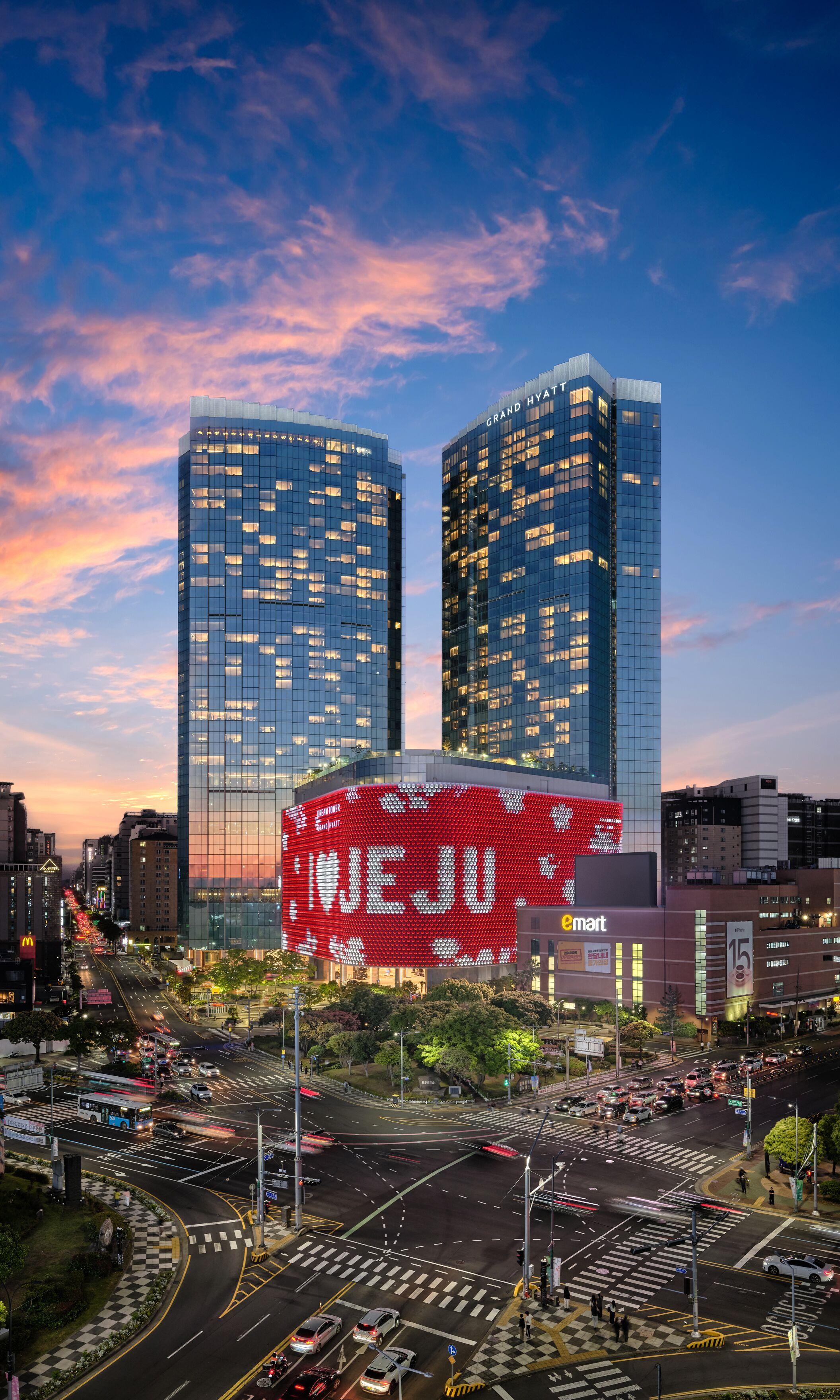
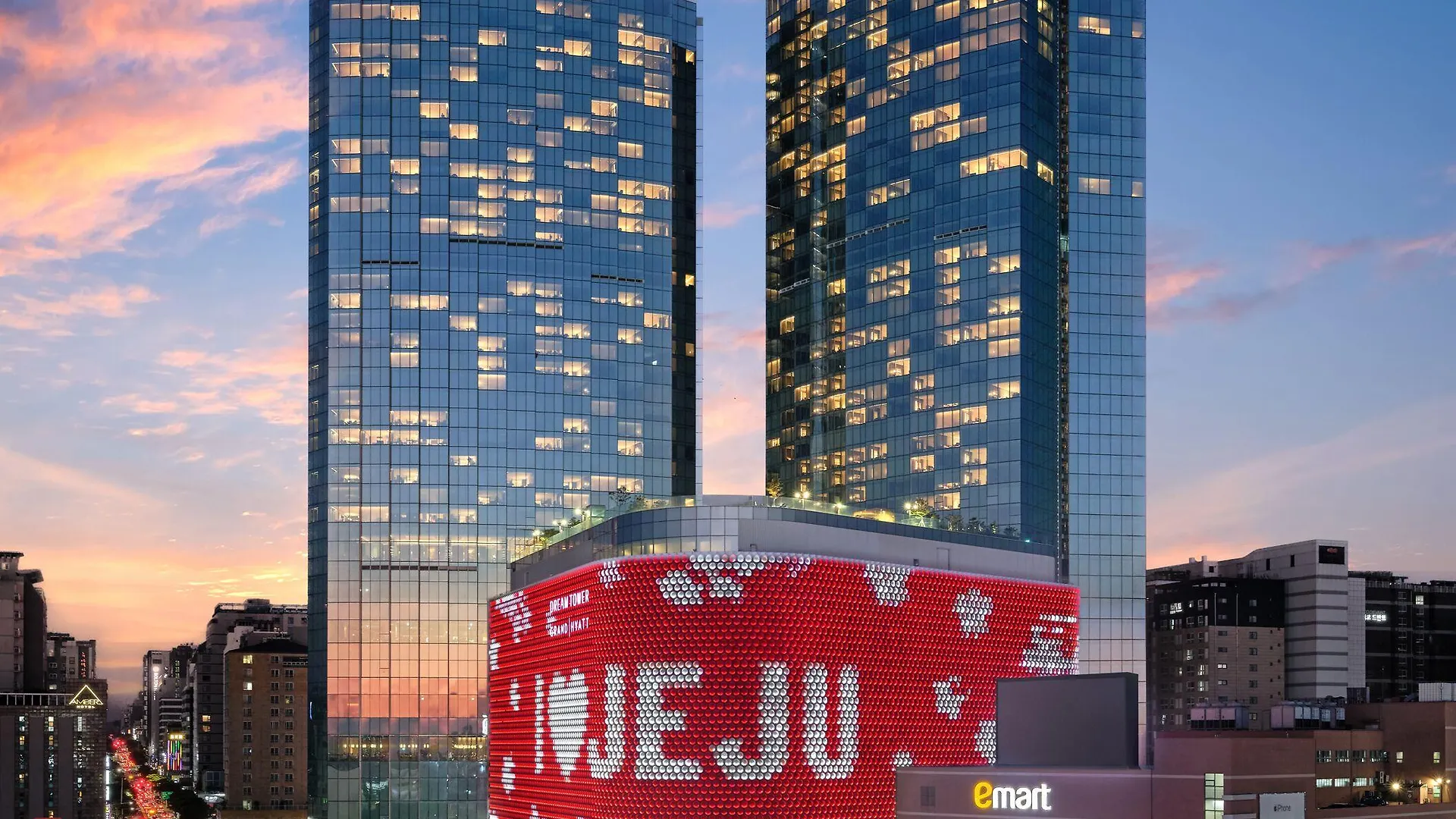
1. Grand Hyatt Jeju
Show on map


 Check-infrom 15:00 until 23:59Check-outuntil 11:00
Just a few rooms left at the best rate!
from₩ 324895
-
2. Grand Walkerhill Seoul
Show on map


 Check-infrom 15:00 until 23:59Check-outuntil 11:00
Just a few rooms left at the best rate!
from₩ 219409
-
3. Mondrian Seoul Itaewon
Show on map


 Check-infrom 15:00 until 23:59Check-outuntil 11:00
Just a few rooms left at the best rate!
from₩ 385373
Coastal & Countryside Stays: Family Hotels Across South Korea
Outside the major urban centers, South Korea's coastal and rural regions offer family hotels with direct beach access, proximity to national parks, and significantly lower crowd levels - particularly appealing for families looking to slow down between city visits.
-
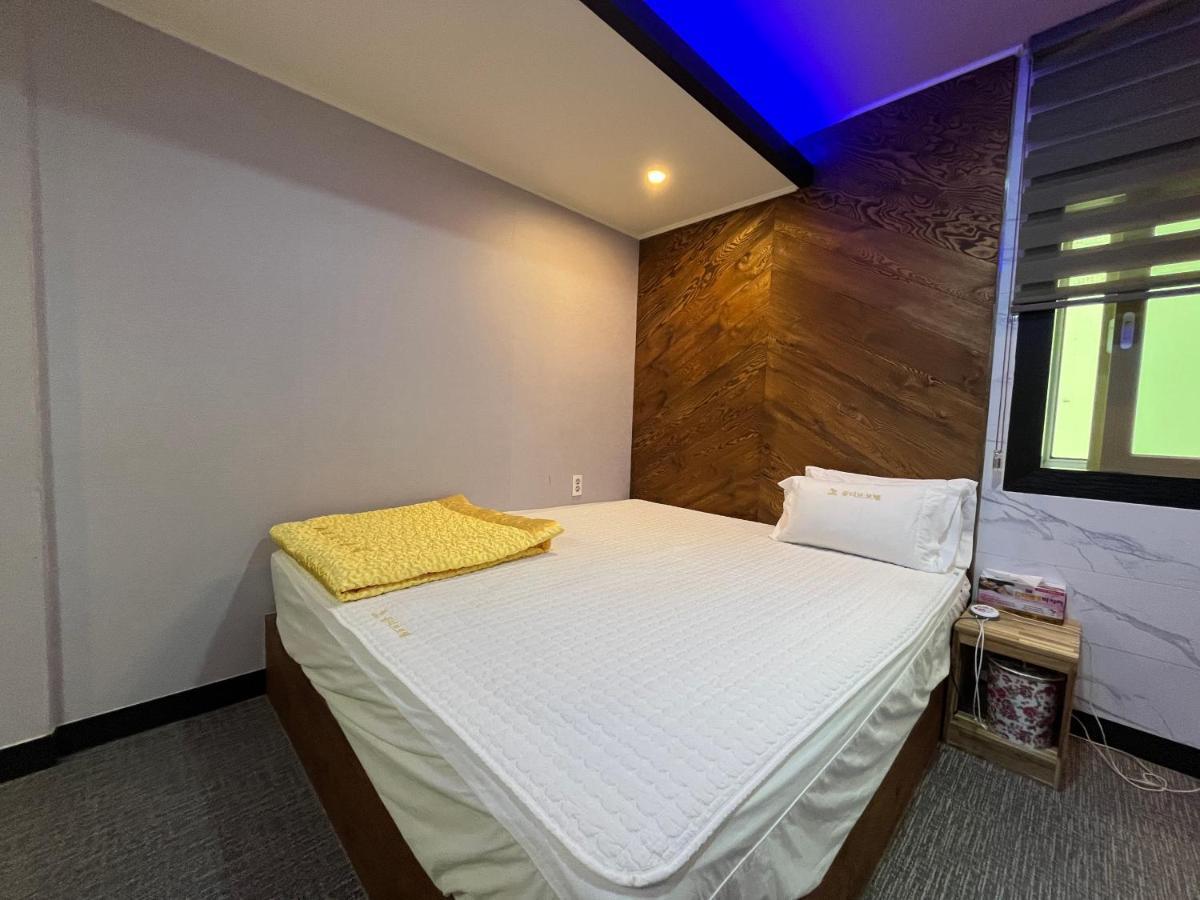
4. Sun Motel
Show on map


 Check-infrom 15:00 until 19:00Check-outuntil 11:00
Hurry – almost gone at this price!
from₩ 61885
-
5. Fontana Beach Hotel
Show on map


 Check-infrom 15:00 until 23:59Check-outuntil 11:00
Hurry – almost gone at this price!
from₩ 115331
-
6. Sacheon Grand Tourist Hotel
Show on map


 Check-infrom 15:00 until 23:59Check-outfrom 06:00 until 11:00
Rooms filling fast – secure the best rate!
from₩ 82982
-
7. The Suites Hotel Namwon
Show on map


 Check-infrom 15:00 until 23:59Check-outuntil 11:00
Rooms filling fast – secure the best rate!
from₩ 918425
Smart Travel & Timing Advice for Families in South Korea
The best months for family travel to South Korea are April through early June (spring, cherry blossom season) and September through October (autumn foliage). Both windows offer mild temperatures, lower humidity than summer, and manageable crowd levels at outdoor attractions. August is the peak domestic family travel month - Korean school summer holidays run through most of the month, driving up accommodation prices by around 40% at coastal and resort properties, particularly in Jeju and Gangneung. Booking family room configurations at least 8 weeks ahead during this window is strongly recommended, as they sell out faster than standard rooms at every category level.
Winter travel (December through February) brings significant snow to inland and northern areas, which can be appealing for families interested in skiing near Pyeongchang but challenging for those planning coastal or temple itineraries. Jeju remains the most weather-resilient family destination year-round due to its milder southern climate. A minimum stay of 4 nights per region is practical for families - South Korea's attractions are spread across the country, and rushing between Seoul, Jeju, and the south in fewer nights typically means spending more time in transit than at destinations. Last-minute deals on family rooms are rare; the domestic market absorbs available inventory quickly during any school holiday period.