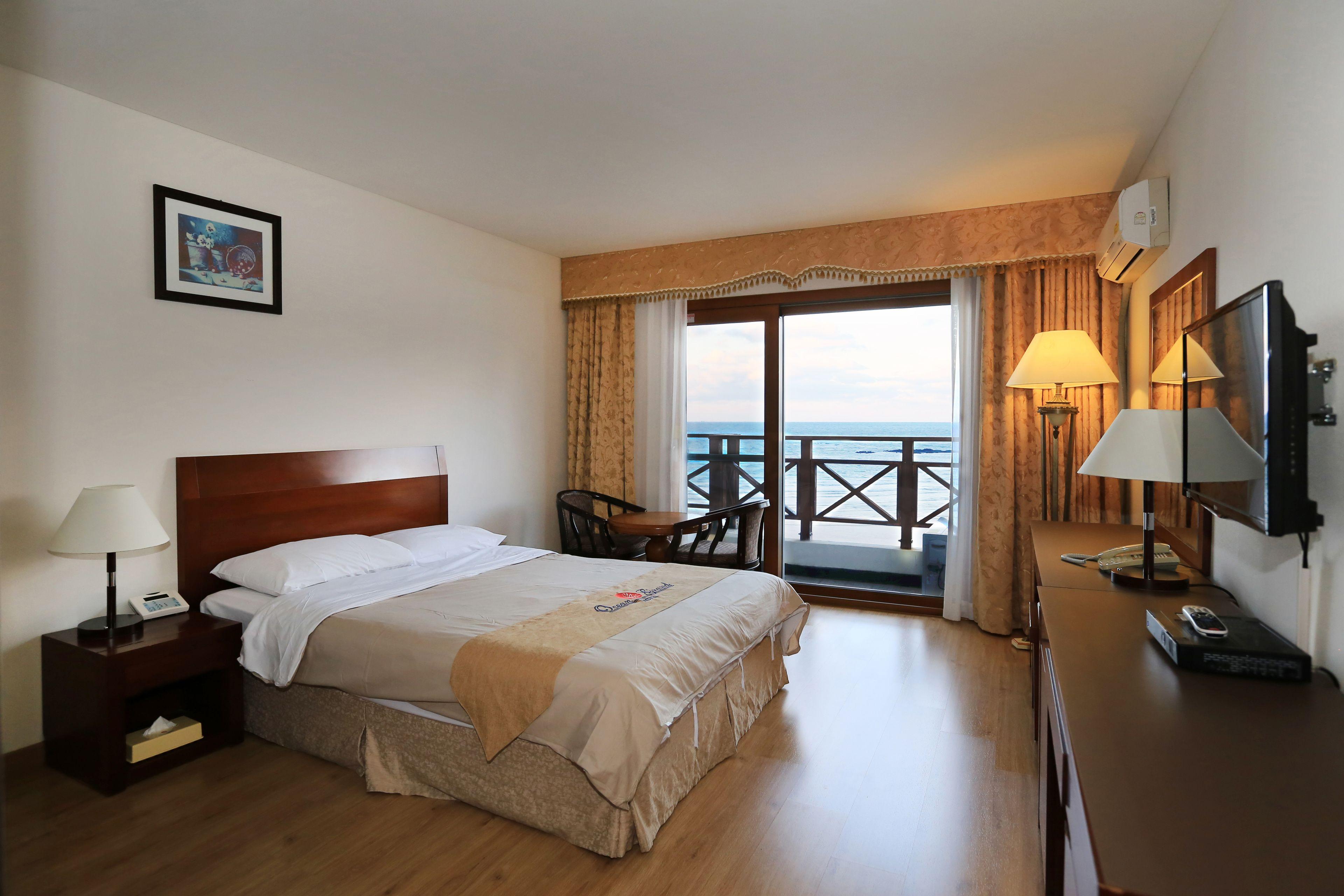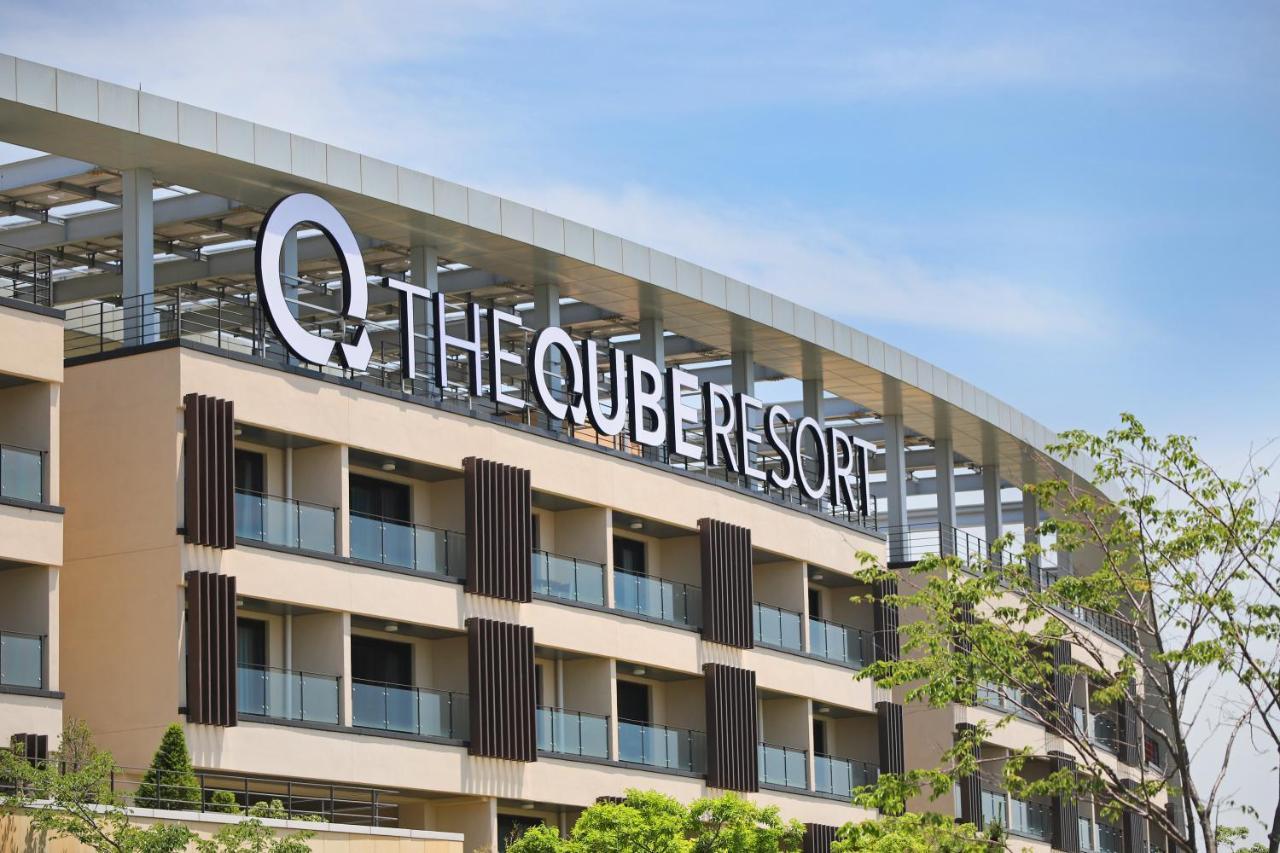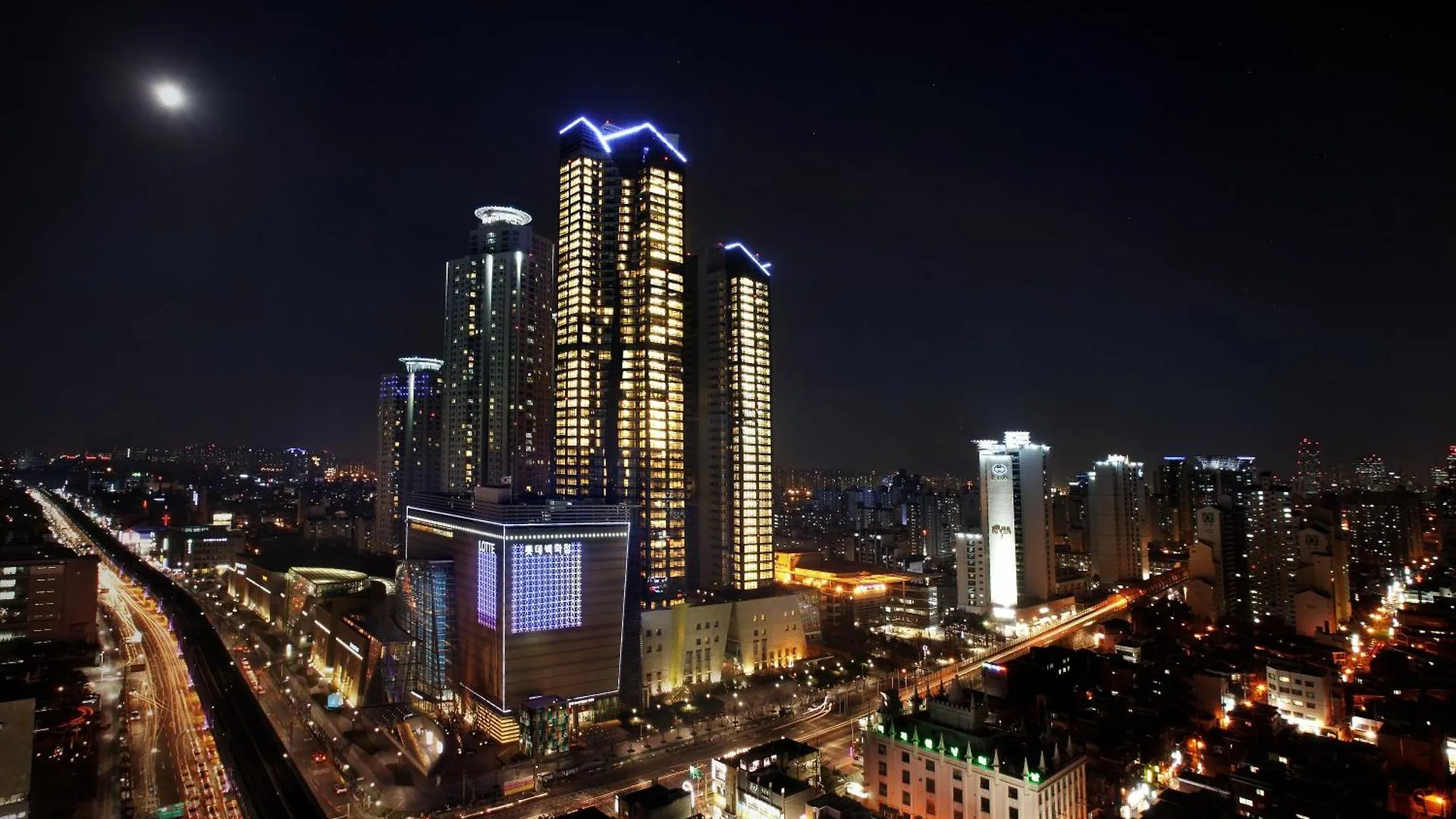
South Korea has built a serious reputation as a wellness destination, partly because the culture of jjimjilbang (public bathhouses) runs deep in daily Korean life. Spa hotels here operate at a higher baseline standard than in most of Asia - amenities like saunas, indoor pools, and professional massage services are rarely an afterthought. This guide covers five concrete spa hotel options across Seoul, Jeju, and Mokpo, with honest assessments of what each property actually delivers.
What It's Like Staying in South Korea
South Korea packs an extraordinary range of landscapes into a compact territory - from the volcanic terrain of Jeju Island and the coastal cliffs of the south to the dense urban grid of Seoul, which alone holds around 10 million residents. The country's transport infrastructure is exceptional: KTX high-speed rail connects major cities, and city metro systems are clean, punctual, and foreigner-friendly. Seoul's districts are sharply distinct - Itaewon draws an international crowd, Gangnam skews business and upscale, while Jongno holds most of the historic palaces and temples. Tourist density is highest during cherry blossom season (late March to early April) and autumn foliage (October), when popular spots in Gyeongbokgung and Bukhansan fill significantly. Travelers seeking quieter visits do better in coastal cities like Mokpo or the less-visited inland regions.
Pros:
Efficient public transport makes it easy to stay slightly outside central hubs without losing access
Korean hospitality standards (particularly in higher-category hotels) are consistently high, with multilingual front desk staff common
Distinct regional identities mean each city - Seoul, Busan, Jeju, Mokpo - offers a genuinely different stay experience
Cons:
Language barriers exist outside major tourist zones; English signage drops significantly beyond Seoul and Busan
Accommodation in central Seoul can be expensive relative to the rest of the country, especially during peak seasons
Jeju's natural sites require a car or organized tour - public transport on the island is limited and slow
Why Choose a Spa Hotel in South Korea
Spa hotels in South Korea occupy a distinct category: many properties integrate wellness into the core offering rather than treating it as a bolt-on amenity. This reflects Korean bathing culture, where sauna, hot spring, and body treatment rituals are social and daily practices - not vacation luxuries. A true spa hotel here typically includes an in-house sauna, indoor pool, and at least one treatment room, which separates them clearly from standard hotels offering a single massage menu. Prices for spa hotel stays vary considerably by location - Jeju and Seoul luxury properties can run significantly above mid-range options in secondary cities like Mokpo. Room sizes in Korean spa hotels tend to be generous by Asian city standards, partly because many properties were originally designed as long-stay or executive-residence formats. The main trade-off is that properties in suburban or mountain-adjacent locations (which often have the best wellness facilities) require more planning for city sightseeing, as they're not always walkable to main attractions.
Pros:
Wellness facilities are genuinely integrated - saunas, pools, and treatment menus are hotel-grade, not outsourced
Many spa hotels in South Korea include both indoor and outdoor pools, extending usability across seasons
Executive suite formats in Seoul spa hotels often include in-room appliances (washing machines, rice cookers) suited for longer stays
Cons:
Premium spa services (sauna, outdoor pool, massage) are frequently chargeable even at 5-star properties
Suburban locations with the best spa amenities can add up to 30 minutes of transit time to central sightseeing areas
Spa hotels in Jeju and coastal areas are often resort-priced, meaning value drops for guests who don't actively use the facilities
Practical Booking & Area Strategy
Choosing where to base yourself in South Korea depends heavily on what you plan to do beyond the hotel. Seoul's Itaewon and Gangnam districts offer the densest concentration of high-spec spa hotels with immediate access to dining, nightlife, and major transit nodes - Mondrian Seoul Itaewon sits directly in this zone. For visitors prioritizing nature and slower-paced wellness, Jeju Island rewards a dedicated trip of at least three nights rather than a day excursion from Seoul, given the island's size and the need for a rental car to reach volcanic craters, waterfalls, and coastal trails. Mokpo, in South Jeolla Province, is a genuinely overlooked alternative - significantly cheaper than Seoul or Jeju, with proximity to Wolchulsan National Park and the Dadohaehaesang archipelago. Bookings for Jeju and Seoul properties during cherry blossom season (late March through early April) and the Chuseok holiday period should be secured at least 8 weeks in advance, as availability tightens sharply. Gangwon-do in winter and Jeju in summer draw domestic Korean tourists in large numbers, pushing weekend prices noticeably higher than weekday rates at the same properties.
Seoul Spa Hotels
Seoul accounts for three of the five properties in this selection, spread across different districts and positioning. Each suits a distinct traveler profile based on location, room format, and the depth of spa facilities on offer.
-
1. The Classic 500 Pentaz Executive Residence
Show on map


 Check-infrom 15:00 until 23:59Check-outuntil 11:00
Just a few rooms left at the best rate!
from₩ 223011
-
2. Grand Walkerhill Seoul
Show on map


 Check-infrom 15:00 until 23:59Check-outuntil 11:00
Just a few rooms left at the best rate!
from₩ 221591
-
3. Mondrian Seoul Itaewon
Show on map


 Check-infrom 15:00 until 23:59Check-outuntil 11:00
Hurry – almost gone at this price!
from₩ 359375
Jeju Island & Mokpo Spa Hotels
Outside Seoul, two properties stand out for travelers who want to combine wellness with South Korea's most dramatic natural scenery - Jeju's volcanic coastline or Mokpo's access to Wolchulsan National Park and the southern archipelago.
-
1. Grand Hyatt Jeju
Show on map


 Check-infrom 15:00 until 23:59Check-outuntil 11:00
Hurry – almost gone at this price!
from₩ 414773
-
5. Fontana Beach Hotel
Show on map


 Check-infrom 15:00 until 23:59Check-outuntil 11:00
Rooms filling fast – secure the best rate!
from₩ 116477
Smart Travel & Timing Advice for South Korea
South Korea has two peak tourist windows that directly affect spa hotel pricing and availability. Late March to mid-April (cherry blossom season) sees demand spike across Seoul, Jeju, and secondary cities simultaneously - this is when the largest gap between advance and last-minute pricing appears, and booking at least 8 weeks out is standard practice for quality spa hotels. The second peak covers the Chuseok holiday (late September to early October), when domestic travel surges and many urban spa hotels fill with Korean families. Outside these windows, May and early June offer warm weather with meaningfully lower rates and smaller crowds at major attractions like Gyeongbokgung Palace, Jeju's Hallasan, and the coastal trails around Mokpo. Winter (December through February) is quiet for tourism but well-suited for indoor spa facilities - saunas and indoor pools see heavier use from domestic guests, and promotional rates at properties like Grand Walkerhill Seoul can offer significant savings over peak pricing. A minimum of three nights at any Jeju or coastal property makes logistical sense given the travel time required to reach the island; Seoul spa hotels work for shorter two-night stays due to the city's concentration of attractions within metro reach.