South Korea's resort scene spans volcanic island coastlines, forested mountain valleys, and industrial port cities with unexpected beachfront escapes - giving travelers a genuinely varied set of base options. This guide covers 6 resorts across Jeju, Namwon, Sokcho, and Ulsan, comparing what each delivers in terms of location access, facilities, and real booking value.
What It's Like Staying in South Korea
South Korea packs an enormous amount of geographic and cultural contrast into a country roughly the size of Indiana. From the lava-tube coastlines of Jeju Island to the Seoraksan granite peaks near Sokcho and the ancient temples of Gyeongju, the country rewards travelers who move between regions rather than anchoring in one city. Seoul draws the majority of international visitors, but most resort-quality stays are found outside the capital - in coastal zones and national park corridors where density drops sharply and scenery takes over. Crowds follow national holidays hard: Chuseok and Lunar New Year bring domestic travel surges that can push accommodation demand up by around 60%.
Pros:
- Exceptional public transport (KTX rail) connects major cities in under 2 hours, making multi-region trips logistically manageable
- Resort areas like Jeju and Sokcho sit near UNESCO-listed natural sites and national parks with well-maintained trail infrastructure
- South Korea's food culture outside Seoul - Namwon's Chunhyang festivals, Ulsan's raw seafood markets - adds destination value beyond sightseeing
Cons:
- English signage outside major cities is limited, particularly in rural resort zones like Namwon and parts of Ulsan
- Domestic holiday weekends cause last-minute accommodation shortages and price spikes with very little warning for foreign visitors
- Jeju's weather is unpredictable; typhoon season (July-September) can disrupt outdoor plans at coastal resorts
Why Choose a Resort in South Korea
Resorts in South Korea tend to be significantly larger in footprint than city hotels, and they're typically positioned to give direct or near-direct access to the natural attraction they serve - whether that's a beach, a national park trailhead, or a scenic river valley. Prices for resort stays average around 20% higher than equivalent business hotels in the same city, but the trade-off is access to on-site facilities - pools, saunas, karaoke rooms, and buffet restaurants - that reduce the need to leave the property each evening. Room sizes in Korean resorts commonly include ondol (heated floor) options alongside Western beds, which is a functional differentiator you won't find in standard urban hotels. The category does have real trade-offs: many South Korean resorts are designed primarily for domestic family groups, meaning weekend noise levels and lobby congestion can be high, and English-language service may be inconsistent.
Pros:
- On-site dining at Korean resorts often includes buffet-style Korean breakfast, reducing the need to source food locally in less touristy areas
- Larger room configurations with kitchenettes or dining areas make multi-night stays practical without daily restaurant dependence
- Proximity to key natural landmarks - Seoraksan, Jirisan, Jeju volcanic coastline - is built into the resort's location logic
Cons:
- Weekend and holiday occupancy at popular resorts is overwhelmingly domestic, which can create a language barrier and a different service rhythm than international travelers expect
- Resort areas outside Jeju often lack walkable dining and entertainment options, making guests dependent on the property's own food offerings
- Some facilities (outdoor pools, barbecue areas) are seasonal and may be closed during shoulder months
Practical Booking & Area Strategy
Choosing where to base yourself in South Korea depends entirely on what you're trying to access. Jeju Island demands a flight or ferry from the mainland but delivers the most self-contained resort experience - volcanic landscapes, coastal drives, and golf courses all within short reach. Sokcho is the gateway to Seoraksan National Park and sits on the East Sea coast, making it a strong choice for hikers who also want beach access; Yangyang International Airport is only 23 km from Sokcho resorts, cutting transfer time sharply. Namwon in South Jeolla Province is the least tourist-heavy option - the Jirisan mountain corridor and Gwanghanru Pavilion are the draws, and accommodation prices run noticeably lower than Jeju or coastal Gangwon. Ulsan sits in the southeast and is primarily an industrial city, but Ilsan Beach and Daewangam Rock Park give it legitimate leisure appeal, especially for travelers already in the Gyeongju-Busan corridor. For Gyeongju itself - South Korea's open-air museum of Silla-era tombs and temples - staying in a nearby resort gives quieter nights while keeping Seokguram Grotto and Bulguksa Temple within a 45-minute drive.
Book at least 6 weeks ahead for Jeju stays between April and June or during the Chuseok holiday window - supply tightens faster than prices signal on short notice.
Coastal Resorts: Ulsan & Sokcho
These properties sit on or near South Korea's eastern coastline, each within reach of both beach access and inland attractions. Ulsan's Ilsan Beach and Sokcho's Seoraksan approaches give this group a strong outdoor activity foundation.
-
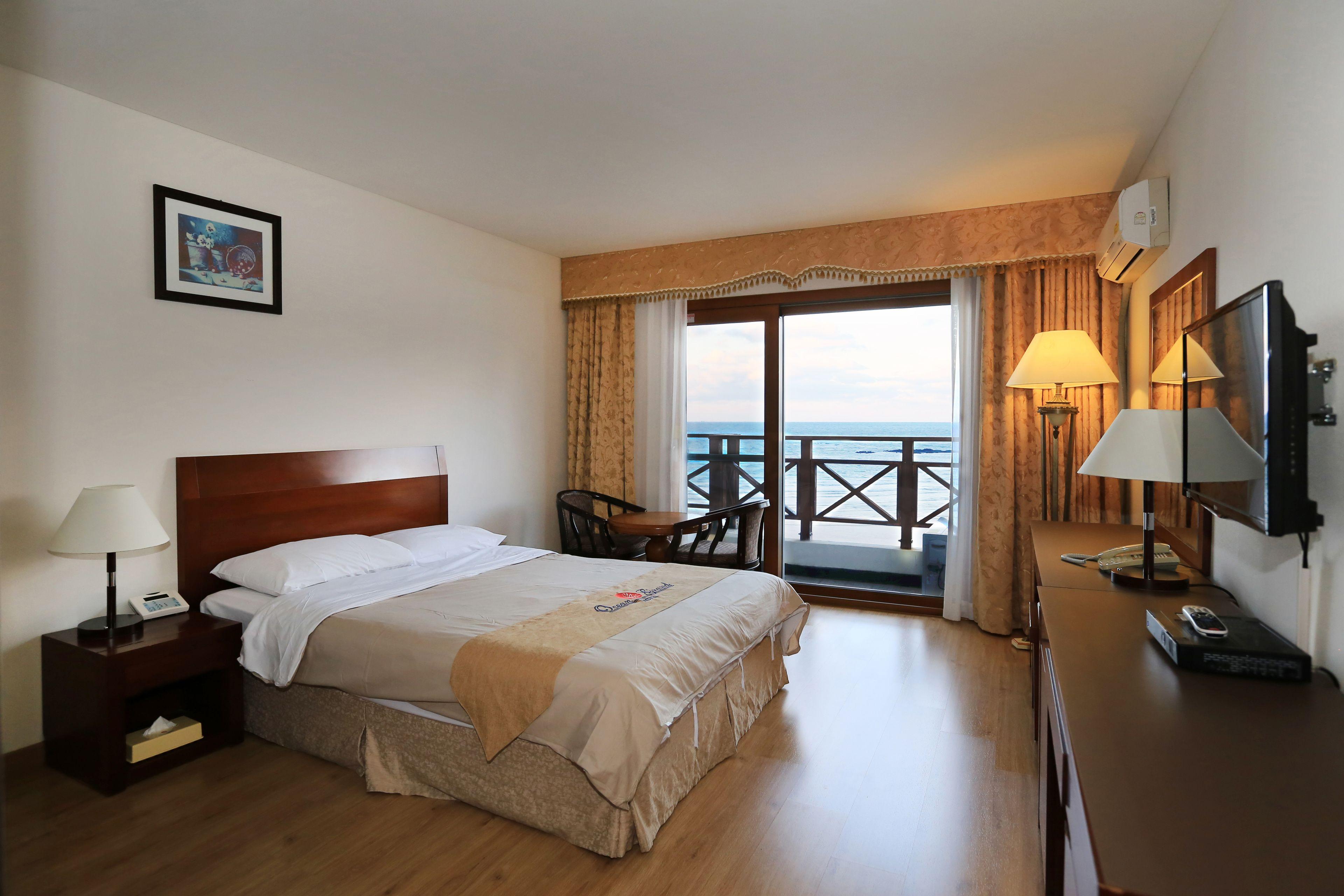
1. Hotel Ocean View
Show on map


 Check-infrom 15:00 until 23:00Check-outfrom 07:00 until 12:00
Rooms filling fast – secure the best rate!
from₩ 112216
-
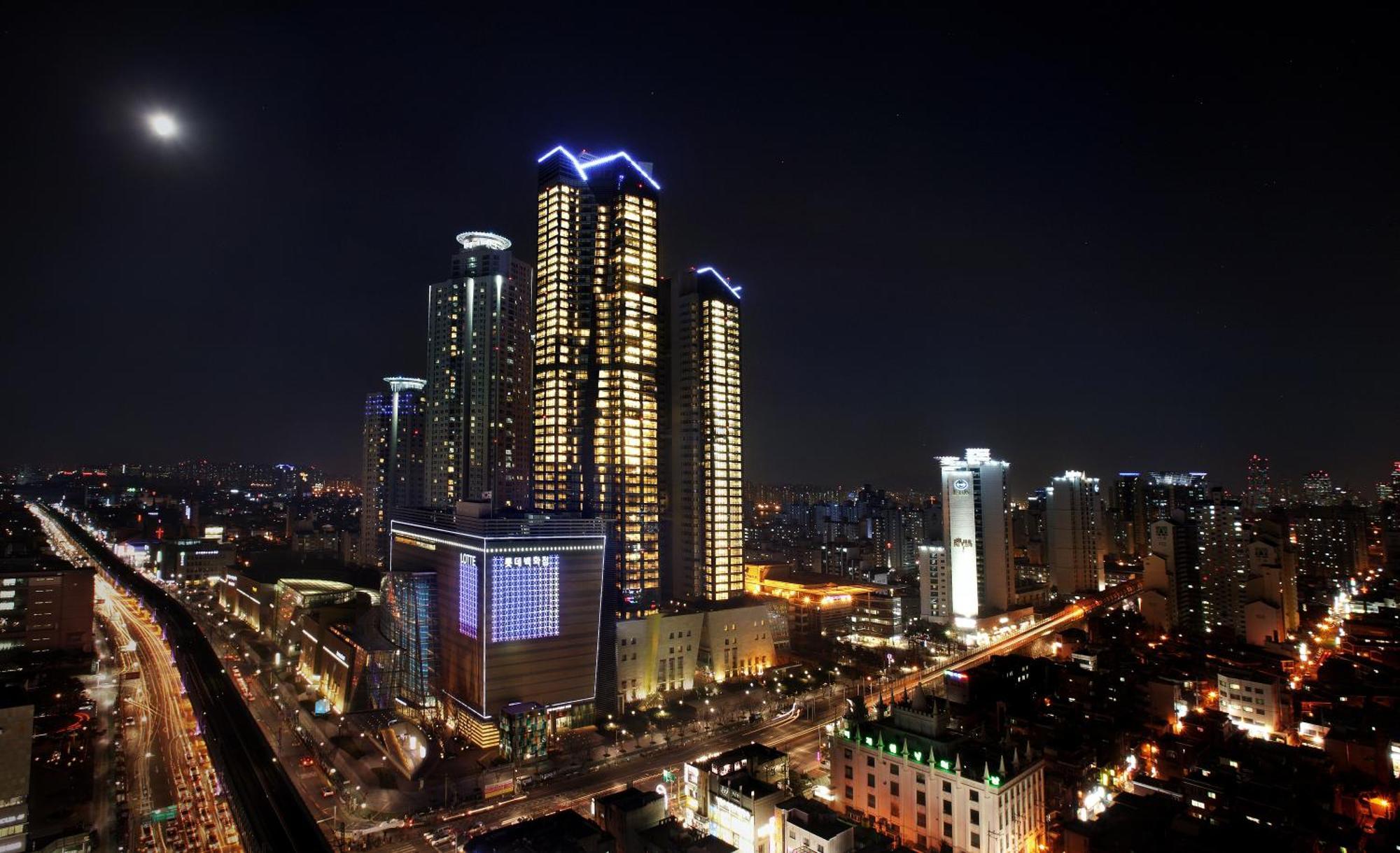
2. Hk Resort
Show on map


 Check-infrom 15:00 until 23:00Check-outfrom 08:00 until 11:00
Just a few rooms left at the best rate!
from₩ 119318
-
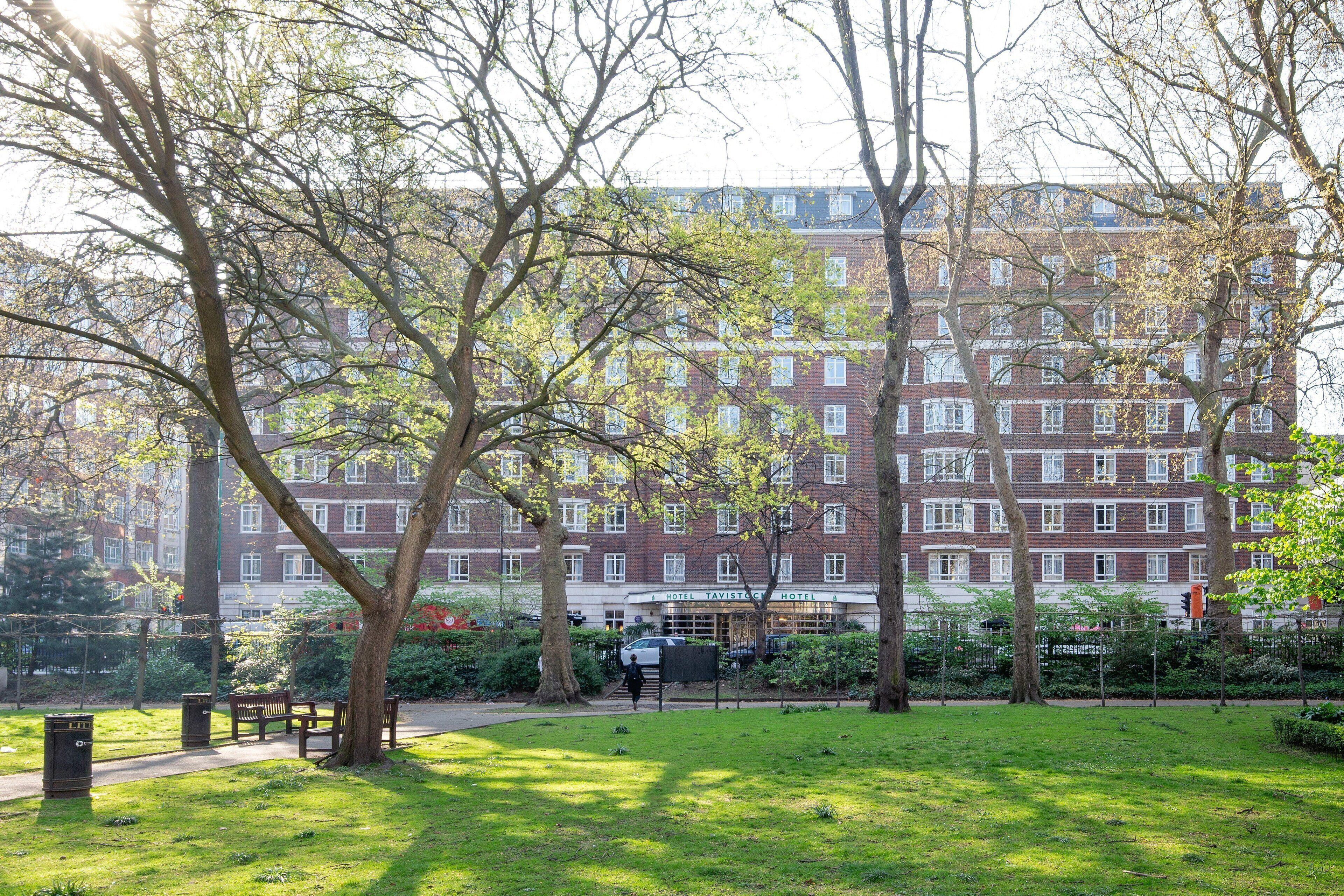
3. Hotel Good Morning
Show on map


 Check-infrom 14:00 until 23:59Check-outuntil 12:00
Hurry – almost gone at this price!
from₩ 221591
Island & Mountain Resorts: Jeju & Namwon
These resorts leverage South Korea's two most distinctive non-coastal landscapes - Jeju's UNESCO volcanic island environment and the Jirisan mountain range in South Jeolla Province. Both locations are primarily domestic resort destinations with strong natural-access credentials.
-
4. The Qube Resort Jeju
Show on map


 Check-infrom 15:00 until 22:00Check-outuntil 11:00
Just a few rooms left at the best rate!
from₩ 68182
-
5. Hanwha Resort Jeju
Show on map


 Check-infrom 15:00 until 22:00Check-outuntil 11:00
Hurry – almost gone at this price!
from₩ 150568
-
6. Kensingtonresort Jirisannamwon
Show on map


 Check-infrom 15:00 until 23:59Check-outuntil 11:00
Rooms filling fast – secure the best rate!
from₩ 122159
Smart Travel & Timing Advice for South Korean Resorts
South Korea's resort demand is heavily shaped by the domestic calendar. The cherry blossom window (late March to mid-April) and autumn foliage peak (mid-October to early November) are the two busiest periods nationally - Jeju and Namwon especially see sharp occupancy increases, and prices at popular resorts can rise by around 35% compared to the shoulder months of February or November. Summer (July-August) is high season for coastal resorts in Ulsan and Sokcho, driven by domestic beach tourism; Sokcho's proximity to Seoraksan also draws hikers through September. Winter in Sokcho and Namwon is genuinely cold, and while Seoraksan's snow scenery is dramatic, outdoor resort facilities (pools, BBQ areas) are typically closed from November through March. For Jeju, spring and autumn deliver the most stable weather and the best value - the summer typhoon risk is real and affects coastal properties directly.
A minimum stay of 3 nights makes sense for Jeju or Namwon given travel time to reach them from Seoul; Sokcho and Ulsan can be done in 2 nights as part of an east coast circuit. Book 6 weeks ahead for Chuseok and Golden Week (early May) - these windows sell out at resort level faster than the general accommodation market, particularly for family-room configurations at properties like Hanwha Resort Jeju and KensingtonResort Namwon.