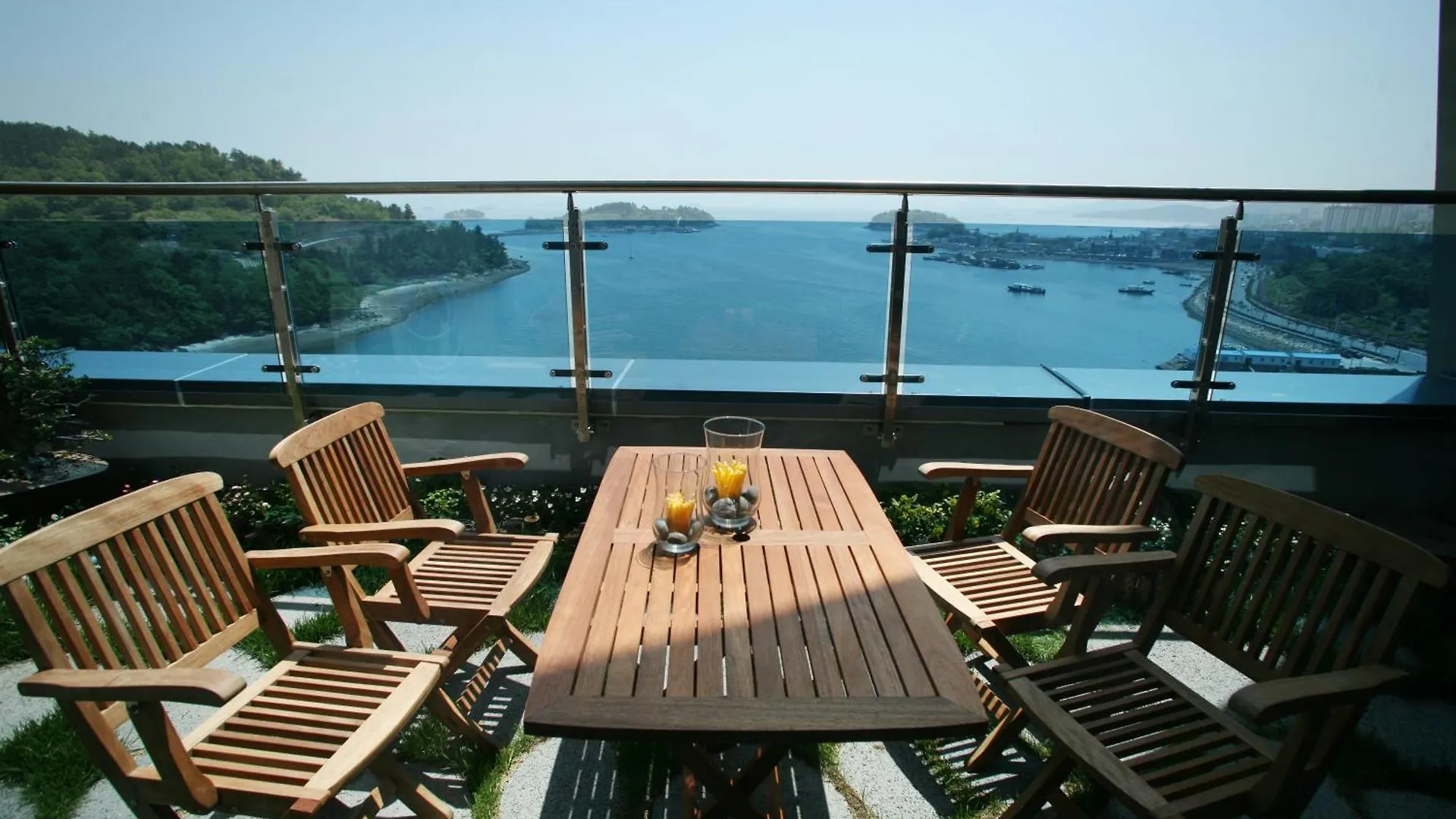
South Korea packs an extraordinary range of travel experiences into a compact geography - coastal national parks, Olympic-host mountain towns, centuries-old fortresses, and one of Asia's most dynamic capital cities. This guide covers 4 carefully selected leisure hotels across key regions, with specific booking intelligence to help you choose where to stay based on your actual itinerary, not generic star ratings.
What It's Like Staying in South Korea
South Korea rewards travelers who plan around its geography. The country stretches from the volcanic coast of Yeosu and the beach towns of Gangneung on the East Sea, to the fortress city of Suwon and the sprawling capital Seoul - each requiring a distinct base. Public transport is exceptional in Seoul, but coastal and mountain destinations like Gangneung or Yeosu are best navigated by car or intercity bus. Tourism peaks hard around spring cherry blossom season (late March to mid-April) and autumn foliage (October), when accommodation in popular areas can sell out weeks in advance.
The country's cultural rhythm is fast in cities and slower near the coast - a distinction that significantly affects what kind of stay you'll have. Around 70% of international visitors concentrate their trip in Seoul, leaving coastal and provincial stays less crowded and more locally authentic.
Pros:
- Exceptional variety of landscapes within short travel distances - coast, mountains, and urban centers all accessible
- Strong food culture at every price point, with restaurant options walkable from most hotels
- High baseline hotel quality even outside major cities, with reliable Wi-Fi and modern en suite bathrooms standard
Cons:
- Language barrier is real outside Seoul - English signage is limited in coastal towns like Yeosu and Gangneung
- Driving is often necessary to access beaches, national parks, and outlying attractions from provincial hotels
- Spring and autumn peak seasons drive up rates sharply across all accommodation categories
Why Choose Leisure Hotels in South Korea
Leisure-focused hotels in South Korea tend to offer a noticeably different proposition than business-oriented properties - larger rooms, sea or garden views, on-site dining, and amenities like pools, spas, or direct beach access that justify longer stays. Room sizes in provincial leisure hotels often exceed Seoul equivalents at the same price point, making coastal destinations like Yeosu and Gangneung strong value for travelers prioritizing space. In Seoul, leisure-category suites in well-located neighborhoods can run significantly higher, but typically include full kitchen setups, washing machines, and separate living areas that reduce day-to-day costs.
The trade-off in provincial leisure hotels is connectivity - you gain space and scenery but lose the walkability of a city-center stay. Budget leisure properties (motels near beaches) in Korea can be found for around 60 USD per night, while full-service leisure hotels with pools and restaurants typically start around 120 USD and scale upward based on view and season.
Pros:
- Leisure hotels outside Seoul consistently deliver sea or garden views not available in urban business hotels
- On-site amenities (pools, saunas, restaurants) reduce logistical complexity in areas with fewer walkable dining options
- Family room configurations are widely available across leisure properties, with layouts suited to multi-night stays
Cons:
- Provincial leisure hotels often require a car - public transport links to beaches and national parks are infrequent
- On-site dining, when it exists, is often limited to breakfast or a single restaurant with a set menu
- Peak season pricing at seafront leisure hotels can spike by around 40% compared to off-peak midweek rates
Practical Booking & Area Strategy for South Korea
Seoul is the logical base for first-time visitors - the Konkuk University and Lotte World area on the east side offers a balance of residential calm and major attraction access, while Gangnam provides upscale convenience near COEX and designer shopping. For travelers focused on natural landscapes, Gangneung is the gateway to the East Sea coast and sits within reach of Pyeongchang's Olympic venues - a strong base for combining beach time with mountain scenery. Yeosu, in the south, is the entry point to Hallyeohaesang National Park and is best visited as a dedicated coastal leg rather than a day trip from Seoul, given the 4-hour transit distance.
Yongin, located between Seoul and Suwon, functions as a practical mid-point for travelers splitting time between Hwaseong Fortress and the capital - with free parking and lower room rates than central Seoul. Booking 6 weeks ahead is advisable for spring and autumn travel across all South Korean leisure destinations, particularly for properties with sea views or beachfront access, which fill earliest.
Leisure Hotels on the South Coast & East Sea
These properties are positioned in South Korea's most scenic coastal regions - Yeosu on the southern coast and Gangneung on the East Sea - offering sea views, beach proximity, and access to national parks and Olympic sites.
-
1. Benikea Hotel Yeosu
Show on map


 Check-infrom 15:00 until 23:59Check-outuntil 11:00
Just a few rooms left at the best rate!
from₩ 109859
-
2. Sun Motel
Show on map


 Check-infrom 15:00 until 19:00Check-outuntil 11:00
Just a few rooms left at the best rate!
from₩ 61972
Leisure Hotels in Seoul & Greater Seoul Area
These two properties serve travelers based in or near South Korea's capital - one offering full-suite living in a central Seoul neighborhood, the other providing a quieter base in Yongin with easy access to Hwaseong Fortress and Seoul's southern districts.
-
1. The Classic 500 Pentaz Executive Residence
Show on map


 Check-infrom 15:00 until 23:59Check-outuntil 11:00
Hurry – almost gone at this price!
from₩ 221127
-
4. Astro Hotel
Show on map


 Check-infrom 15:00 until 23:59Check-outuntil 13:00
Rooms filling fast – secure the best rate!
from₩ 112676
Smart Travel & Timing Advice for South Korea
South Korea's peak leisure travel seasons are spring (late March to mid-April for cherry blossoms) and autumn (mid-October for foliage), when coastal hotels in Yeosu and Gangneung, as well as Seoul suites, see their highest occupancy and sharpest price increases. Booking leisure hotels with sea views or beachfront access during these windows without advance reservations is genuinely risky - properties near Anin Beach in Gangneung fill fastest among East Sea destinations. Summer (July to August) brings domestic beach tourism to Gangneung at volume, meaning Anin Beach-adjacent properties book out early even at higher rates.
Winter travel (December to February) is the clearest opportunity for off-peak rates - Yeosu and Yongin properties see the steepest discounts, while Gangneung remains popular with skiers heading to Pyeongchang. For Seoul stays, a minimum of 3 nights is recommended to justify the cost of a full suite configuration at properties like The Classic 500, where the in-room kitchen and laundry facilities only generate real savings on longer stays. Last-minute booking works reasonably well in Yongin and Yeosu outside peak season, but carries real risk in Gangneung from June through August.