
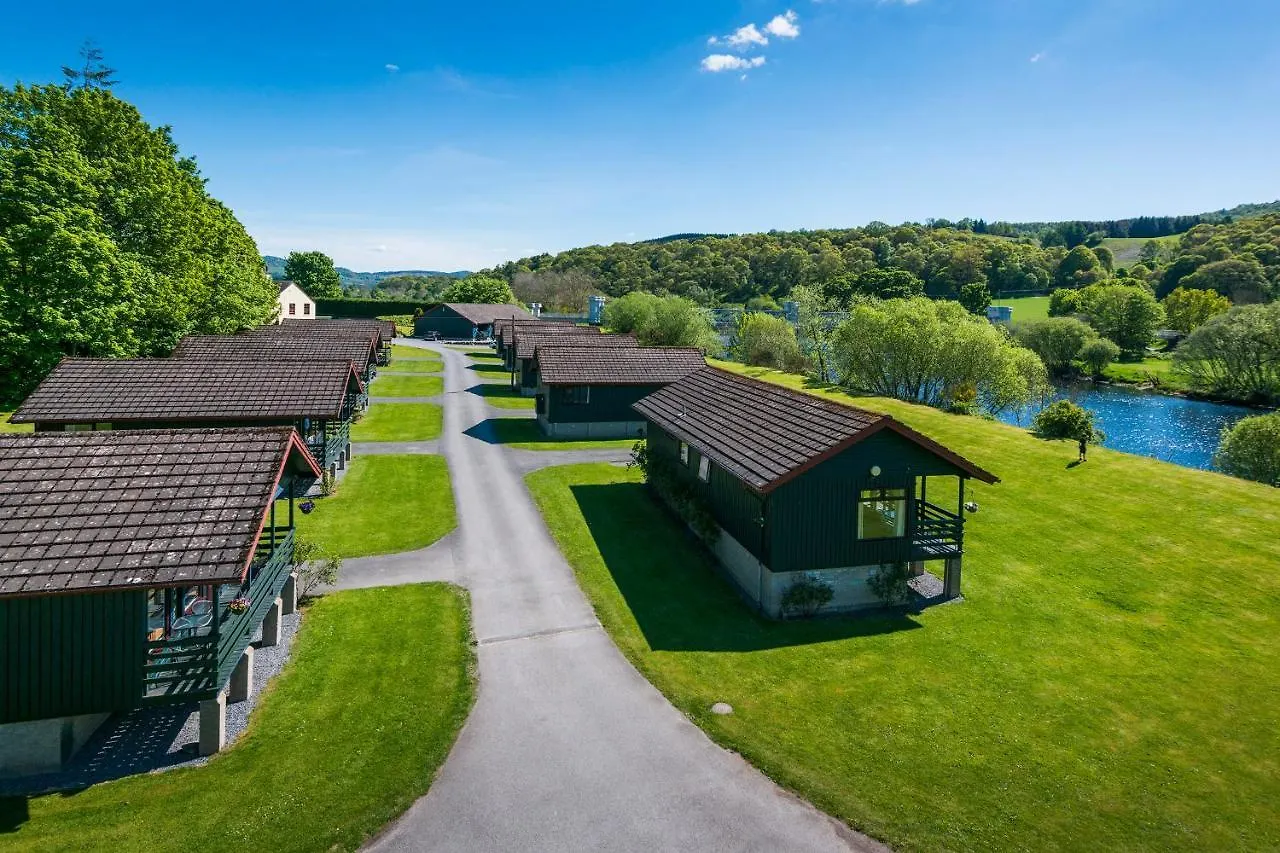
Central Scotland's lodge hotels deliver something genuinely different from standard hotel stays: self-catering freedom, direct access to landscape, and far more space per pound than any city-centre property. From Loch Awe's forested shoreline to the Angus countryside outside Dundee, the region's lodges suit walkers, families, and anyone who wants Scotland's scenery as their front garden - not a hotel corridor.
What It's Like Staying in Central Scotland
Central Scotland spans a dramatic sweep of terrain - from the agricultural lowlands of Angus and Perthshire to the fringes of the Cairngorms and the wild Atlantic coast of Argyll. Driving is essential in most rural lodge areas, with public transport covering only towns like Perth, Dundee, and Stirling reliably. Crowd patterns vary sharply: Loch Lomond and the Trossachs attract heavy summer footfall, while Loch Awe and upper Perthshire remain quieter even in peak season, making them better choices for genuinely remote escapes. Lodge stays here appeal most to self-sufficient travellers - families with children, couples on long weekends, anglers, and hikers - while those relying on restaurants and nightlife within walking distance will find rural lodges frustrating.
Pros:
- Exceptional wildlife density - pine martens, red squirrels, ospreys, and red deer are regularly spotted in Argyll and Perthshire
- Far fewer tourists than the Highlands' most marketed routes, meaning quieter roads, trails, and loch shores
- Around 4 seasons of distinct outdoor activity: skiing near Cairngorms in winter, fishing and cycling spring through autumn
Cons:
- A car is non-negotiable for most lodge locations - rural bus services run infrequently or not at all
- Supermarkets and restaurants can be 20+ minutes away, requiring pre-trip grocery planning
- Scottish weather is unpredictable year-round; midges from May to September can be severe near lochs and forests
Why Choose Lodge Hotels in Central Scotland
Lodge hotels in Central Scotland offer a fundamentally different value equation compared to standard B&Bs or city hotels: you're paying for space, privacy, and a working kitchen rather than a breakfast buffet and a reception desk. Self-catering lodges typically sleep 4 to 6 guests, which makes the per-person cost highly competitive - often lower than equivalent hotel rooms once meals are factored in. Most properties include private parking, outdoor seating areas, and direct access to walking or cycling trails, none of which are standard in urban accommodation. The trade-off is that you handle your own meals and housekeeping during the stay, and the sense of isolation - while a draw for many - means there's no lobby, no concierge, and no on-site restaurant in most cases.
Pros:
- Full kitchens eliminate daily restaurant costs, making lodge stays significantly cheaper for families over a week-long trip
- Private outdoor space - balconies, verandas, or hot tubs - included in most lodges, unavailable at equivalent price points in city hotels
- Pet-friendly policies are far more common at lodges than at hotels, a rare and practical advantage in Scotland's walking country
Cons:
- No daily housekeeping or room service - guests manage their own cleaning throughout the stay
- Minimum stay requirements (often 2 or 3 nights) reduce flexibility for one-night stopovers
- Damage deposits are standard - typically around £100 - adding an upfront cost that hotels rarely charge
Practical Booking & Area Strategy in Central Scotland
Positioning matters significantly when choosing a lodge in Central Scotland. Lodges near Perth offer the best balance between rural seclusion and urban access - Perth city centre has a rail station connecting to Edinburgh in around 75 minutes, and Dundee is a short drive south. Angus countryside lodges near Dundee suit travellers who want quiet evenings but access to Dundee's V&A Museum or Overgate Shopping Centre within 15 minutes by car. Argyll lodges on Loch Awe are better suited to pure nature escapes - Inveraray Castle, Kilchurn Castle ruins, and world-class angling are the draws here, not urban proximity. For Speyside lodges near Carrbridge, the Cairngorms National Park is the primary attraction, with Aviemore's ski area, Highland Wildlife Park, and the whisky trail all within reach. Book at least 8 weeks ahead for summer and school holiday periods, as the best self-catering lodges in these areas fill early and rarely discount last-minute.
Best Value Lodge Stays
These lodges offer strong self-catering fundamentals - full kitchens, private outdoor space, and direct access to Central Scotland's natural landscape - at accessible price points for families and couples.
-
1. Logierait Pine Lodges
Show on map


 Check-infrom 16:00 until 18:00Check-outfrom 08:00 until 10:00
Just a few rooms left at the best rate!
from£ 112
-
2. Reuben'S Highland Retreat - Speyside
Show on map


 Check-infrom 15:00 until 22:00Check-outfrom 05:00 until 10:00
Just a few rooms left at the best rate!
from£ 162
Best Premium Lodge Stays
These lodges offer elevated settings, additional amenities such as on-site dining or hot tubs, and locations with exceptional natural or cultural surroundings - suited to guests prioritising experience quality over price per night.
-
1. Loch Aweside Forest Cabins
Show on map


 Check-infrom 15:30 until 19:30Check-outfrom 05:00 until 10:00
Hurry – almost gone at this price!
from£ 140
-
4. Forbes Of Kingennie
Show on map


 Check-infrom 16:00 until 22:00Check-outuntil 10:00
Rooms filling fast – secure the best rate!
from£ 266
Smart Travel & Timing Advice for Central Scotland Lodges
The most competitive window for booking Central Scotland lodges is late spring - specifically May and early June - when Highland landscapes are at their greenest, midges are less severe than in July and August, and school holidays haven't yet pushed prices up. July and August see the sharpest price spikes, particularly for lodges near Loch Awe and the Cairngorms, where demand from both domestic and international visitors peaks simultaneously. September is often the most underrated month: heather blooms across moorland, stag rut begins in Perthshire, visitor numbers drop by around 30%, and prices follow. For Speyside lodges near Carrbridge, winter stays from December to February attract skiers targeting Cairngorm Mountain, so book those periods at least 10 weeks ahead. A minimum stay of 3 nights makes practical sense for any rural lodge in this region - the drive time to reach most locations means a one-night stay rarely justifies the logistics. Last-minute availability does occasionally appear in October and November, but selection is limited and the best-positioned cabins are gone early.


