Cumbria is one of England's most visited regions, drawing hikers, families, and nature lovers to the Lake District National Park, the Solway Coast, and the Eden Valley year-round. Finding a genuinely affordable hotel here - one that doesn't sacrifice access to trails, transport links, or a decent breakfast - takes more than a quick search. This guide cuts through the noise and focuses on the budget and mid-range stays that actually deliver value in a region where prices can spike sharply during summer weekends.
What It's Like Staying In Cumbria
Cumbria covers around 6,800 square kilometres, stretching from the Solway Firth in the north to Morecambe Bay in the south - meaning where you base yourself shapes your entire trip. The Lake District National Park draws the heaviest foot traffic, with villages like Windermere and Ambleside filling up fast on Bank Holiday weekends, while quieter corners like Appleby-in-Westmorland or the Solway Coast stay relatively uncrowded even in peak months. Getting around without a car adds real friction: bus connections between towns are infrequent outside of summer, and rural properties can sit several miles from the nearest train station.
Pros:
- Unmatched access to England's only true mountain environment, with Scafell Pike, Helvellyn, and Skiddaw all within driving range of most Cumbrian hotels
- A wide spread of accommodation types across distinct landscapes - coastal, lakeside, and moorland - at prices noticeably lower than comparable rural regions in Scotland or Wales during shoulder season
- Strong food culture anchored in local produce: Herdwick lamb, Cumbrian sausage, and artisan cheeses feature prominently in hotel breakfasts across the region
Cons:
- Rural road networks make driving near-essential for most itineraries; popular passes like Kirkstone and Hardknott are genuinely challenging for nervous drivers
- Rainfall is significantly higher than the UK average - around 2,000mm annually in central Lakeland - which affects outdoor plans with little warning
- Summer weekends in honeypot locations like Grasmere and Bowness-on-Windermere bring heavy traffic congestion and limited parking near key trailheads
Why Choose Budget Hotels In Cumbria
Budget and cheap hotels in Cumbria occupy a genuinely useful middle ground: they typically include free parking - a practical necessity in a region where pay-and-display charges at popular Lake District car parks can reach £10 per day - and many include breakfast, which eliminates a recurring daily cost in villages where café options are limited outside peak hours. Nightly rates at well-positioned budget hotels in Cumbria often run around 40% below equivalent stays in the Scottish Highlands during the same season, making the region one of England's most accessible rural destinations for cost-conscious travellers. Room sizes vary considerably; properties in market towns like Cockermouth or Appleby tend to offer more generous layouts than those crammed into converted cottages near Windermere.
Pros:
- Free private parking is standard at most budget hotels in Cumbria, removing a significant hidden cost in a region where driving is the default mode of transport
- Inclusive breakfast options - often Full English - reduce daily spending meaningfully, particularly useful on multi-day hiking trips where energy intake matters
- Smaller, independent budget properties in Cumbria frequently sit closer to trailheads and natural attractions than chain hotels concentrated in town centres
Cons:
- Limited room service and evening dining at the most affordable properties can be inconvenient after long days on the fells, especially in remote locations
- Budget hotels in high-demand Lake District villages book out weeks in advance during July and August, narrowing genuine last-minute options significantly
- Shared lounges and communal spaces replace private amenities at some value-tier properties, which suits solo travellers less well than couples or groups
Practical Booking & Area Strategy
Choosing where to base yourself in Cumbria is a more consequential decision than in a city break context. Cockermouth and Appleby offer the strongest balance of affordability, free parking, and access to multiple landscapes without the congestion endemic to central Lakeland - Cockermouth sits within 20 km of Buttermere and Derwentwater, while Appleby provides a quiet gateway to the North Pennines and Eden Valley. The Solway Coast, anchored by the small town of Silloth, gives coastal walkers and golfers a genuinely uncrowded alternative to the Lake District with lower hotel rates and direct road access to Carlisle in around 40 minutes. For travellers arriving by rail, Barrow-in-Furness connects to the Furness Line, Sandside sits near the Carnforth-Ulverston corridor, and Appleby is a stop on the celebrated Settle-Carlisle railway - one of England's most scenic rail routes and a destination in itself. Booking at least 6 weeks ahead for any summer weekend stay is strongly advisable across all Cumbrian sub-regions; shoulder months of May and October offer the best combination of manageable crowds and stable pricing.
Best Value Budget Stays
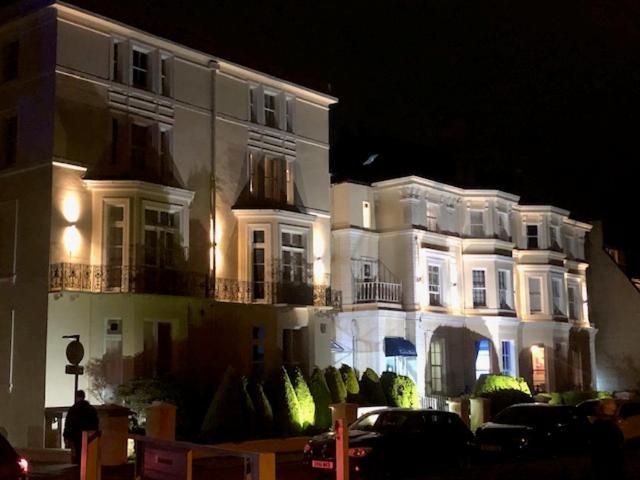
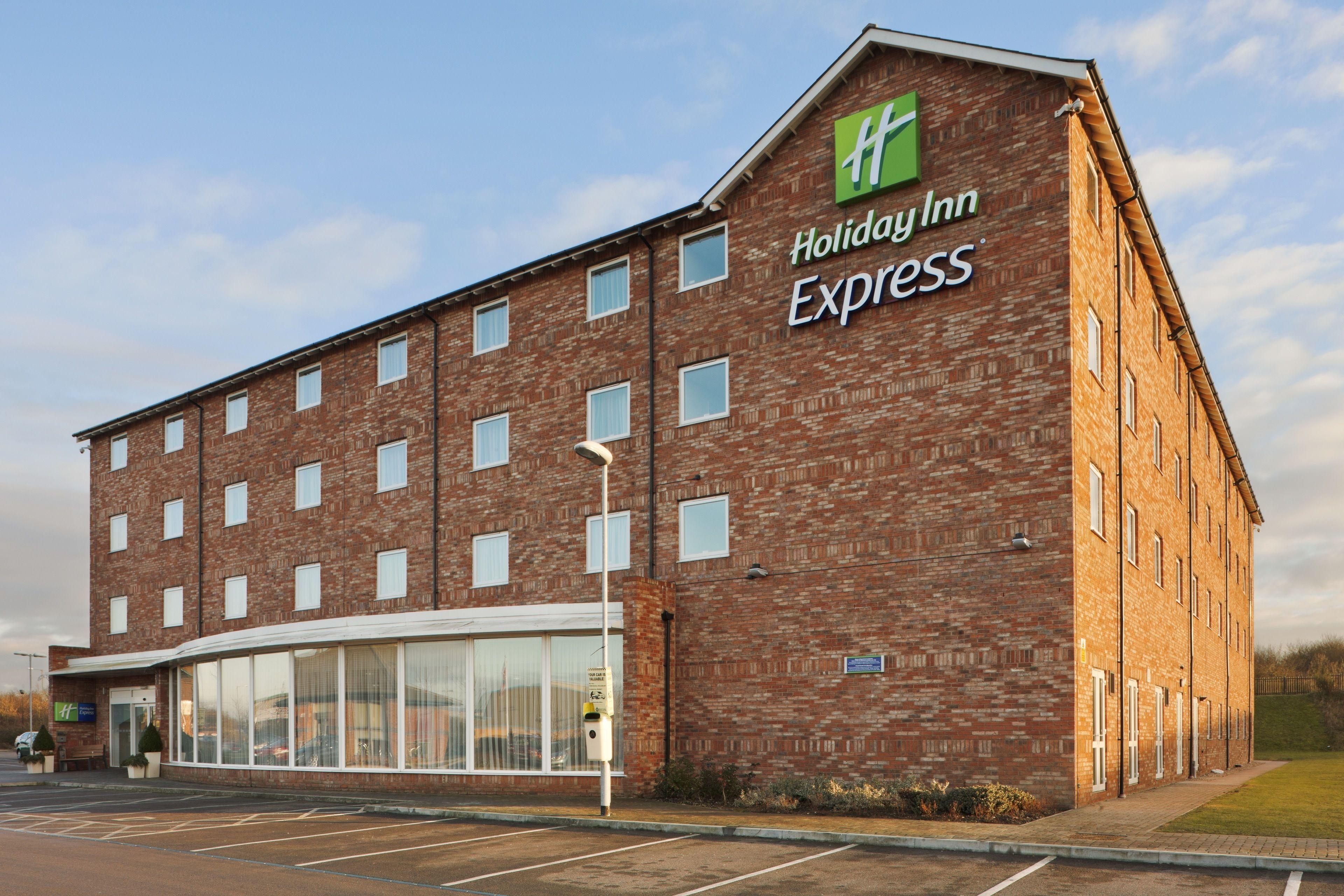
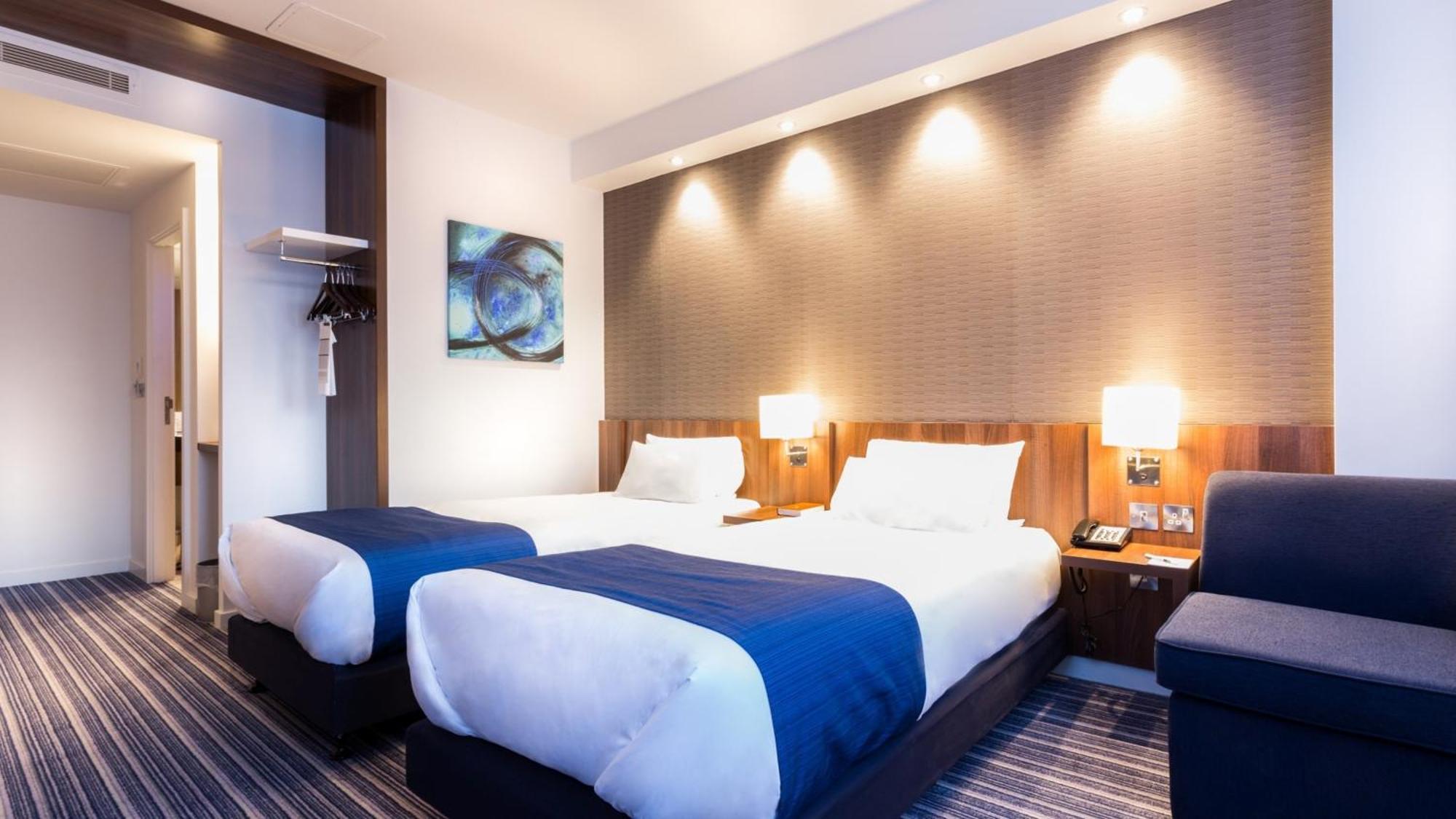
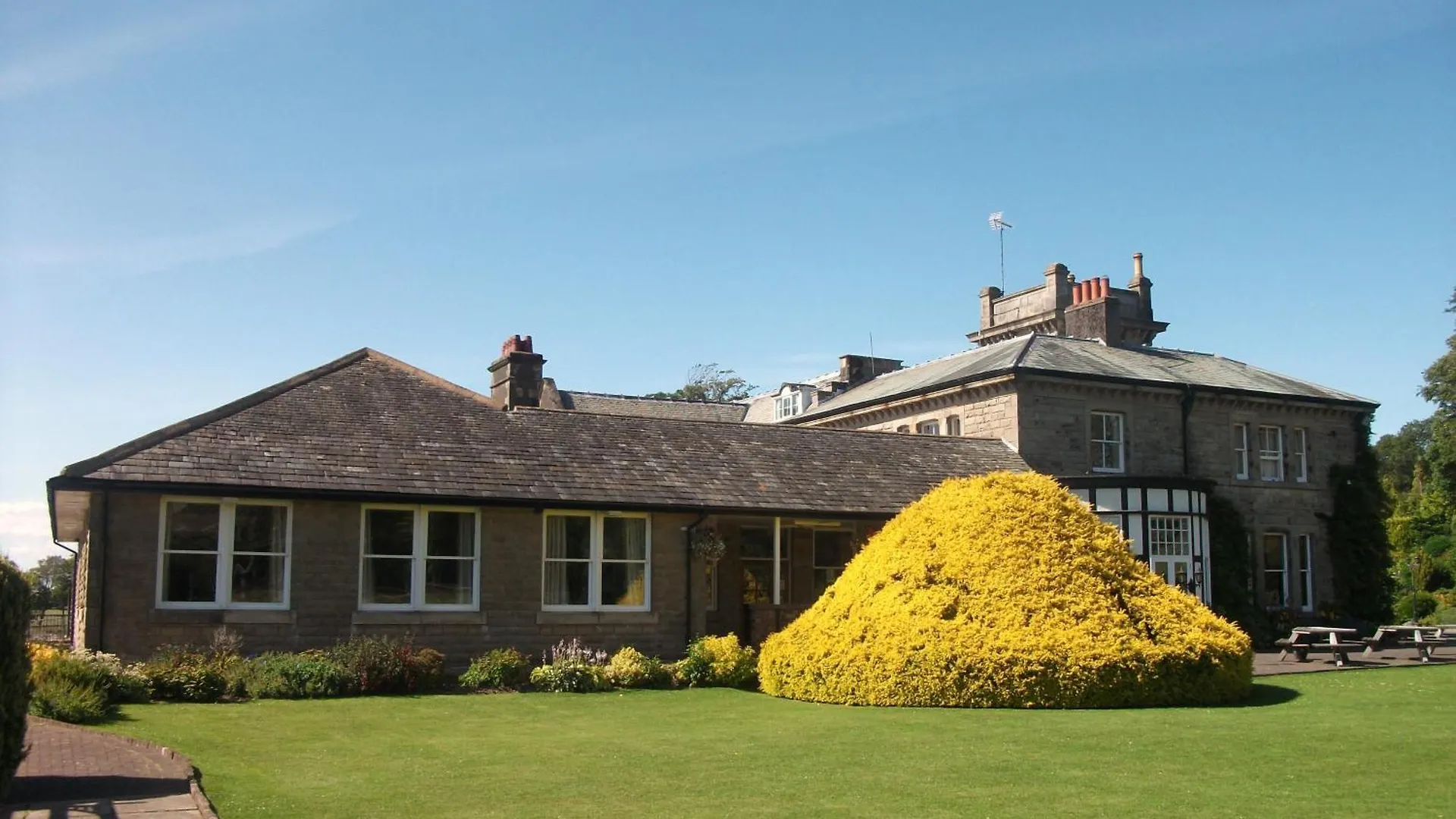
These properties offer the strongest cost-to-access ratio in Cumbria, with free parking, inclusive breakfast, and practical positioning relative to key landscapes and transport routes.
-
1. Hundith Hill Hotel
Show on map


 Check-infrom 14:00 until 21:30Check-outfrom 07:00 until 10:00
Just a few rooms left at the best rate!
from£ 124
-
2. The Wheatsheaf At Beetham
Show on map


 Check-infrom 15:00 until 22:00Check-outfrom 07:00 until 11:00
Just a few rooms left at the best rate!
from£ 115
-
3. West Point House
Show on map


 Check-infrom 15:00 until 23:59Check-outuntil 10:00
Hurry – almost gone at this price!
from£ 78
-
4. Sandfordarms
Show on map


 Check-infrom 15:00 until 21:00Check-outfrom 08:00 until 10:00
Hurry – almost gone at this price!
from£ 115
Best Budget Stays With Character & Location Advantage
These two properties bring stronger location assets or standout features that justify their positioning above the baseline budget tier - particularly for travellers prioritising scenery, coastal access, or Lake District National Park proximity.
-
1. The Golf Hotel
Show on map


 Check-infrom 14:00 until 22:00Check-outuntil 10:00
Rooms filling fast – secure the best rate!
from£ 98
-
6. Badger Bar
Show on map


 Check-infrom 15:00 until 21:30Check-outfrom 10:00 until 11:00
Rooms filling fast – secure the best rate!
from£ 105
Smart Travel & Timing Advice For Cumbria
The Lake District and broader Cumbria operate on a clear seasonal curve that directly affects both availability and price. July and August are the peak months, when the most popular villages - Grasmere, Ambleside, Coniston - fill to capacity and budget hotel rates climb sharply, often by around 50% above their off-peak baseline. May and early June offer the most balanced conditions: trails are walkable, waterfalls are full after spring rain, and hotel rates have not yet hit summer peaks. October is Cumbria's quietest viable month for most travellers - fell colours are excellent, crowds are thin, and last-minute availability opens up at budget properties that were fully booked in August.
For multi-night stays, three nights is the practical minimum to make the most of a single base - one day to acclimatise and explore locally, two days for longer excursions to different landscapes. Booking at least 6 weeks ahead for any stay between late May and early September is strongly advisable; the most affordable rooms at well-located properties like Badger Bar and The Golf Hotel sell out fastest. Winter stays from November to February offer the lowest rates but require realistic expectations around daylight hours and trail conditions on higher ground.