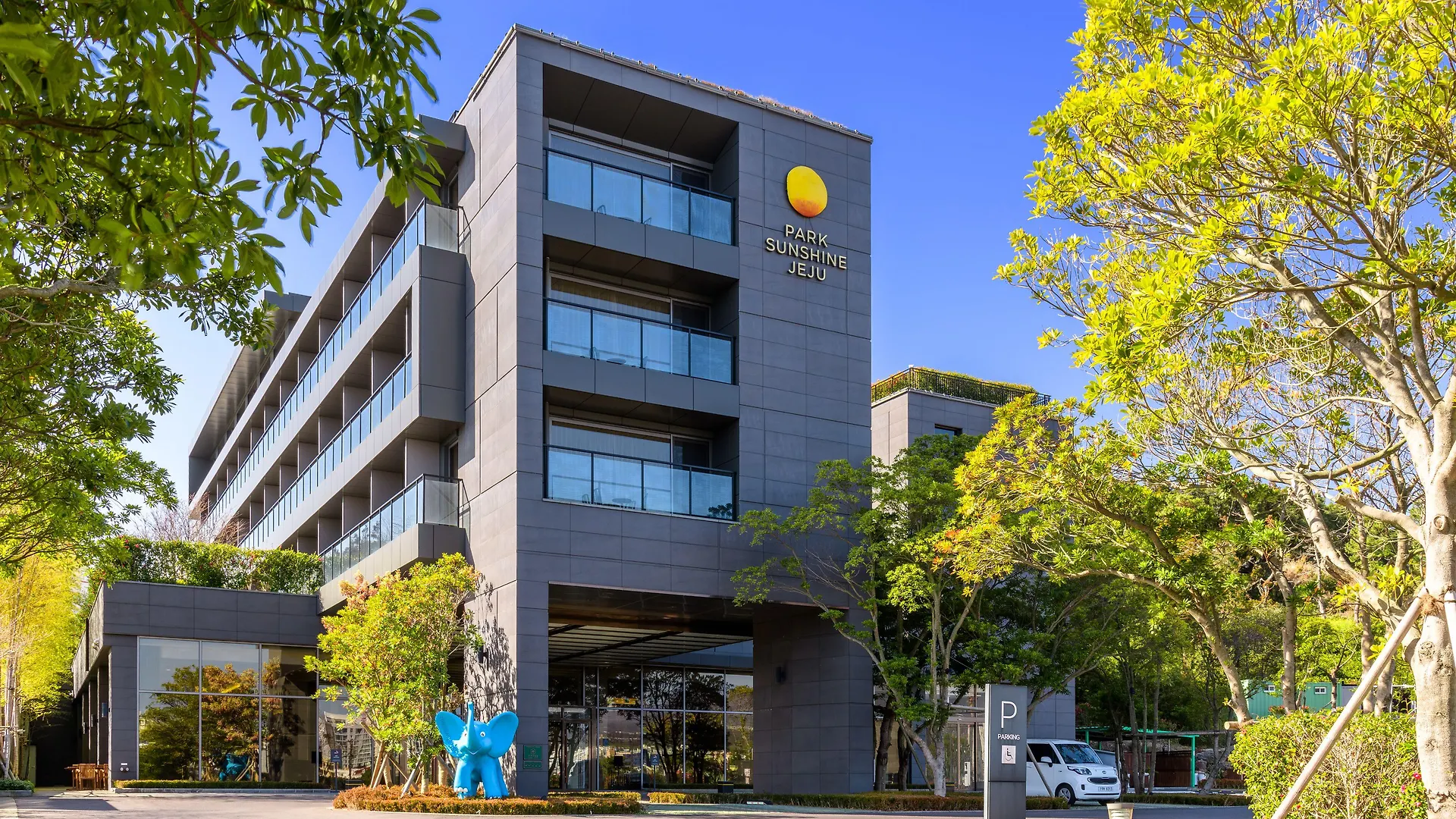
Jeju Special Autonomous Province offers a rare combination of volcanic landscapes, coastal drama, and a growing hospitality scene where design-forward hotels have carved out a distinct identity. From gallery-style urban properties in Jeju City to beachfront retreats near Hamdeok and the waterfalls of Seogwipo, the island's exceptional design hotels blend local aesthetics with contemporary architecture. This guide covers four standout properties to help you make a confident, well-informed booking decision.
What It's Like Staying in Jeju Special Autonomous Province
Jeju is South Korea's largest island and its only self-governing province, drawing visitors with UNESCO-listed volcanic terrain, lava tube caves, and a coastline that shifts dramatically between black rock and white sand. Renting a car is almost essential - public transport covers major towns but leaves most scenic attractions frustratingly out of reach without one. Tourist density spikes sharply during Korean public holidays and summer, when accommodation in popular zones like Jungmun and Seogwipo fills up around 6 weeks in advance.
Jeju suits travelers who want a nature-immersive island escape with urban convenience still accessible. Those looking for a walkable, metro-connected city stay will find the island's car-dependent rhythm limiting.
Pros:
- Exceptional natural variety - waterfalls, crater lakes, lava caves, and beaches within short driving distance of most hotels
- Domestic flight hub with frequent connections from Seoul, making it easy to combine with a mainland Korea itinerary
- Design hotels here often sit in scenic, low-density settings unavailable in Korean mainland cities
Cons:
- A car is almost mandatory - taxi availability outside Jeju City and Seogwipo is inconsistent
- Peak-season crowds at top attractions like Hallasan and Jeongbang Falls significantly reduce the tranquil experience
- Dining options near nature-adjacent hotels can be limited after 9 PM
Why Choose Exceptional Design Hotels in Jeju Special Autonomous Province
Design hotels in Jeju go beyond aesthetics - they are often the best-positioned properties on the island, chosen for their architectural relationship with the landscape rather than density of services. In Seogwipo, that means floor-to-ceiling windows overlooking subtropical greenery; in Jeju City, it means curated gallery interiors that justify a higher nightly rate compared to standard business hotels. Design properties here typically run around 30% more than conventional 3-star hotels on the island, but room sizes tend to be noticeably larger and the in-room experience more considered.
The trade-off is that some design-forward hotels prioritize visual impact over full-service amenities - fewer may have on-site spas or conference facilities compared to large resort chains. For couples, design-conscious solo travelers, and architecture enthusiasts, the environment and spatial quality more than compensate.
Pros:
- Rooms are designed with the landscape in mind - views, natural light, and local materials are intentional, not incidental
- Often located in quieter, more scenic zones away from high-density tourist clusters
- Art installations, curated interiors, and locally influenced design elements create a more memorable stay
Cons:
- Some design hotels have limited F&B options on-site, requiring guests to drive for dining variety
- Higher price point per night compared to standard hotels without proportionally more services
- Minimalist design ethos can mean fewer family-oriented amenities in select properties
Practical Booking & Area Strategy
Jeju Island divides naturally into three primary stay zones, each with a different character: Jeju City in the north offers the most urban convenience, with the international airport a 10-minute drive from central hotels and a dense restaurant scene within walking distance; Seogwipo in the south is the island's scenic heartland, closer to Cheonjiyeon and Jeongbang Waterfalls, Jungmun Beach, and the Teddy Bear Museum; and the northern coastline around Hamdeok Beach provides a quieter alternative with direct beach access. Hallasan National Park - the dominant attraction on the island - sits centrally and is reachable from both north and south in under an hour by car. Book well ahead for stays between late July and mid-August, when occupancy across design and boutique properties on the island reaches its annual peak. Shoulder season in April-May and October delivers cooler hiking conditions, lower rates, and significantly thinner crowds at key natural sites, making it the strategically optimal window for most travelers.
Best Value Design Stays
These properties deliver strong design credentials and scenic positioning at more accessible price points, making them solid anchors for a Jeju itinerary focused on value without sacrificing atmosphere.
-
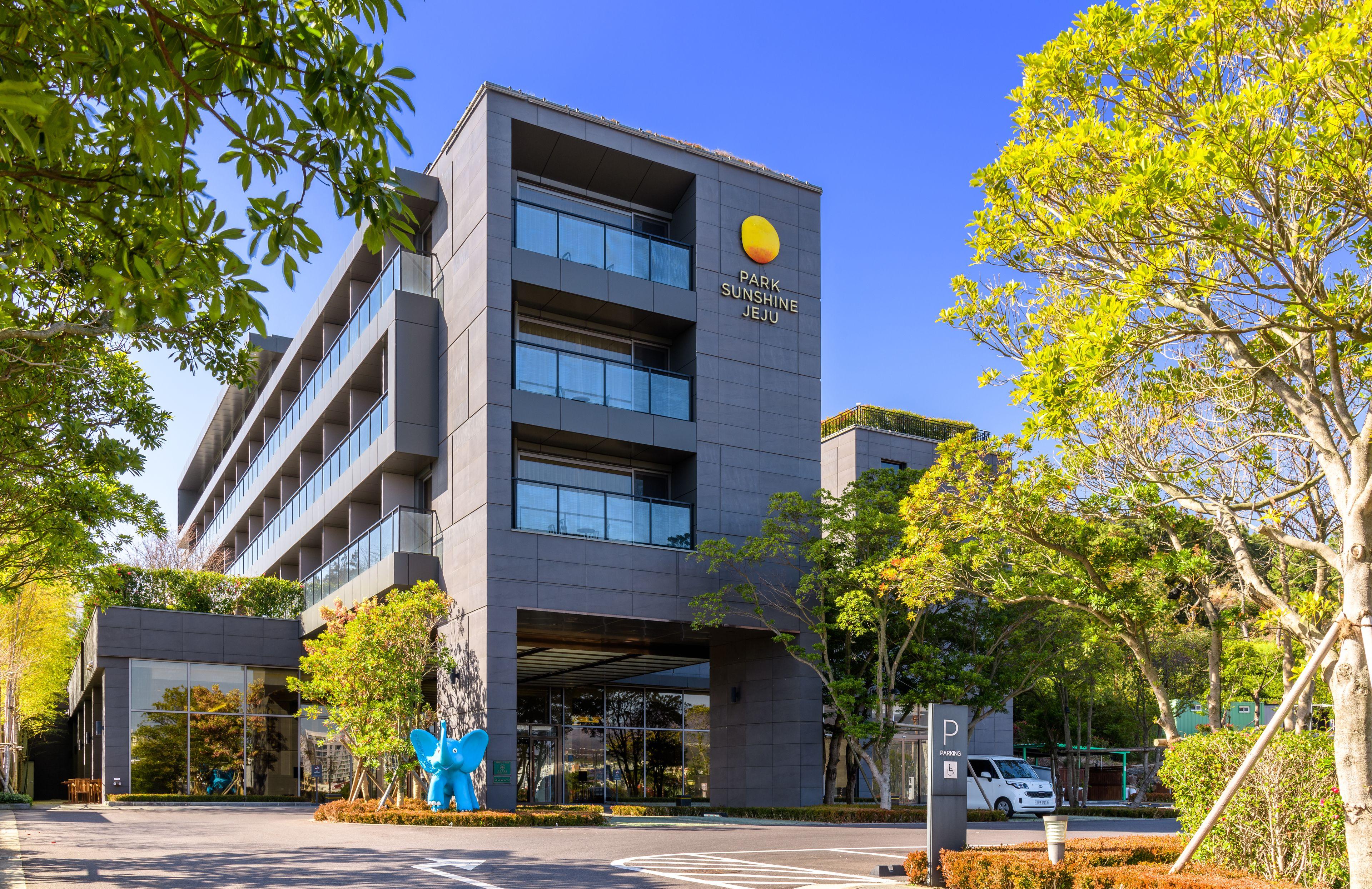
1. Parksunshine Jeju
Show on map


 Check-infrom 14:00 until 23:59Check-outuntil 11:00
Just a few rooms left at the best rate!
from₩ 120059
-
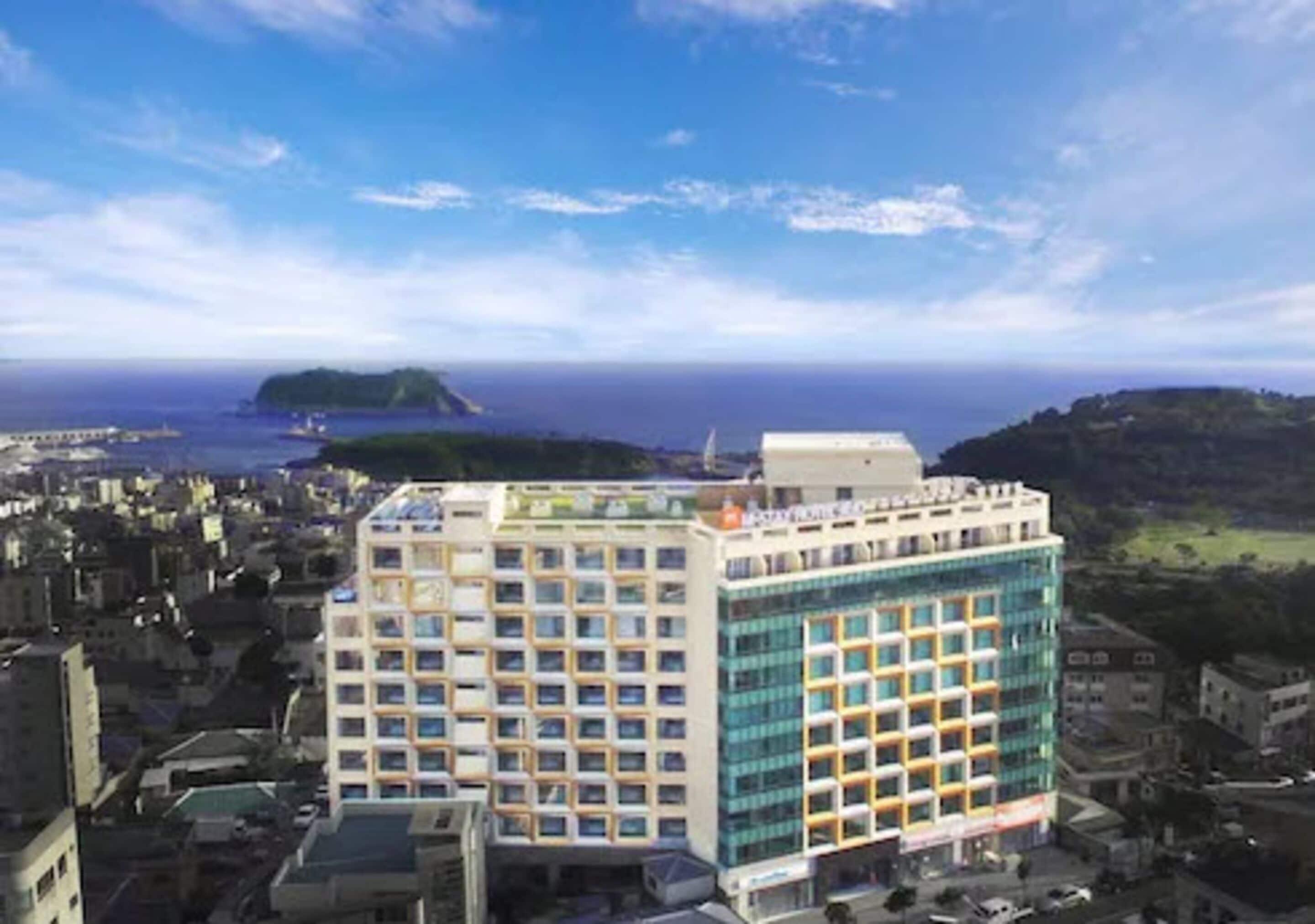
2. Ocean Grand Hotel
Show on map


 Check-infrom 15:00 until 23:59Check-outuntil 11:00
Just a few rooms left at the best rate!
from₩ 286969
Best Premium Design Stays
These hotels deliver a more elevated design experience - one anchored in art, architecture, and resort-scale facilities - suited to travelers for whom the hotel environment is as important as the destination itself.
-
3. Hotel Leo
Show on map


 Check-infrom 14:00 until 23:59Check-outuntil 11:00
Hurry – almost gone at this price!
from₩ 103953
-
4. Lotte Hotel Jeju
Show on map


 Check-infrom 15:00 until 23:59Check-outuntil 11:00
Rooms filling fast – secure the best rate!
from₩ 313324
Smart Travel & Timing Advice
Jeju's high season runs from late July through mid-August, driven almost entirely by domestic Korean tourism - during this window, design hotel rates climb noticeably and popular waterfalls and beaches can feel overcrowded by mid-morning. April and May offer the best balance of mild weather, lower prices, and open trails on Hallasan, where azalea blooms along the crater rim make the hike visually exceptional. October delivers similar benefits with autumn foliage added on the mountain slopes. For most international travelers, a stay of around 4 nights is enough to cover the island's major natural sites by car without feeling rushed - shorter stays tend to underutilize the scenic southern coast. Book design hotels at least 6 weeks ahead for any stay falling during Korean national holidays, including Chuseok and Seollal, when domestic demand compresses availability across all tiers. Last-minute bookings in the off-season (November through February) can yield discounts of around 25%, though some resort amenities like outdoor pools may be closed.