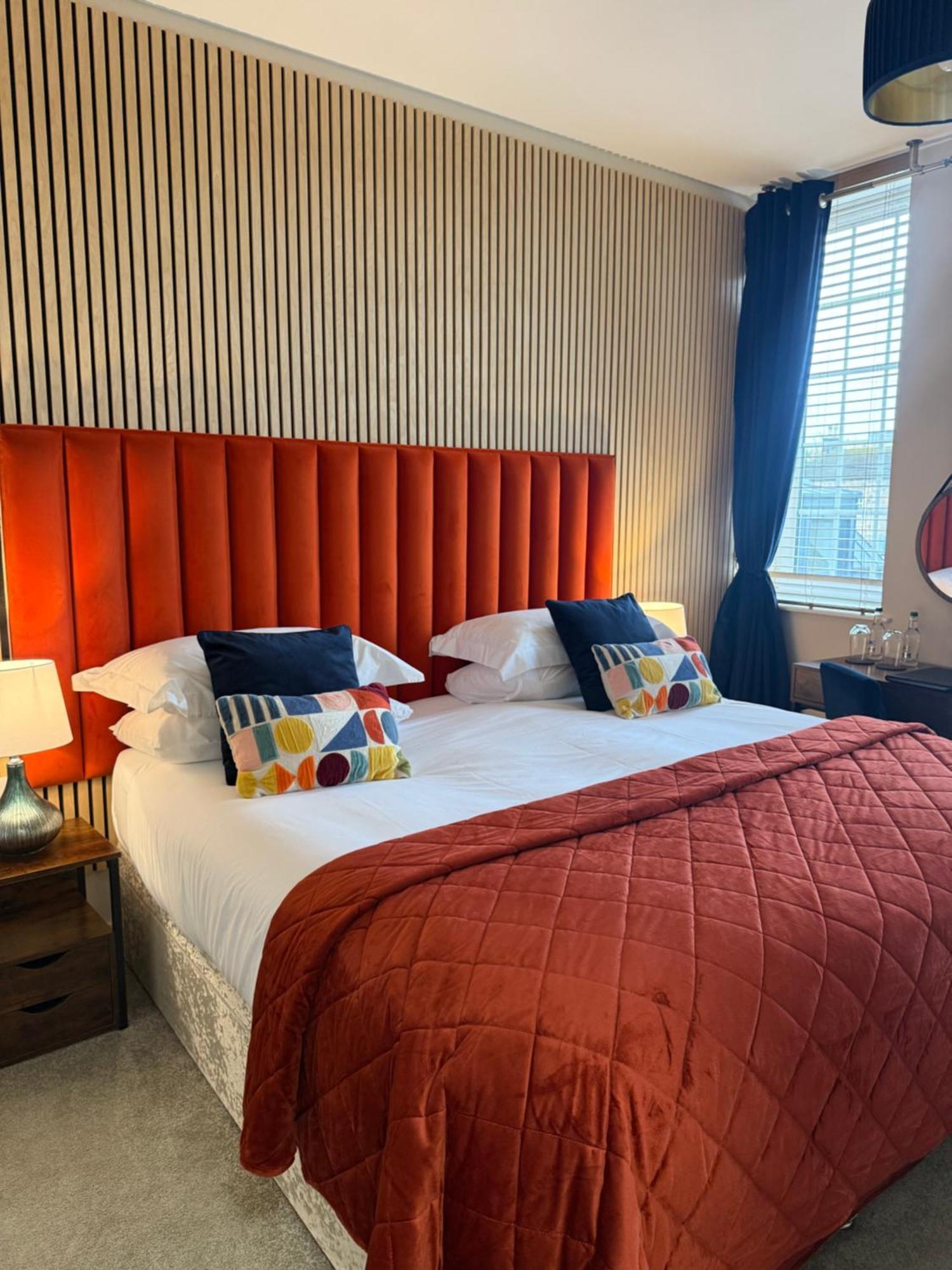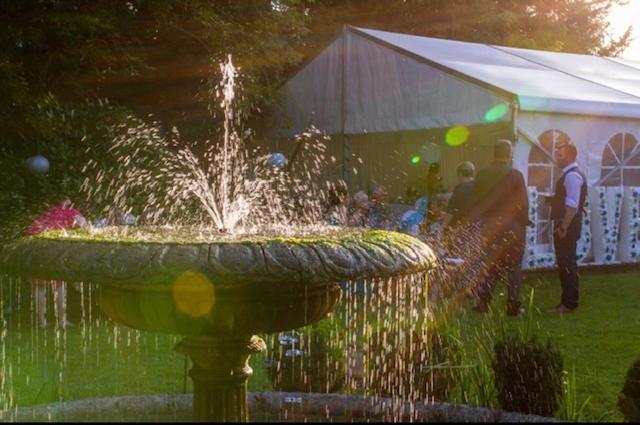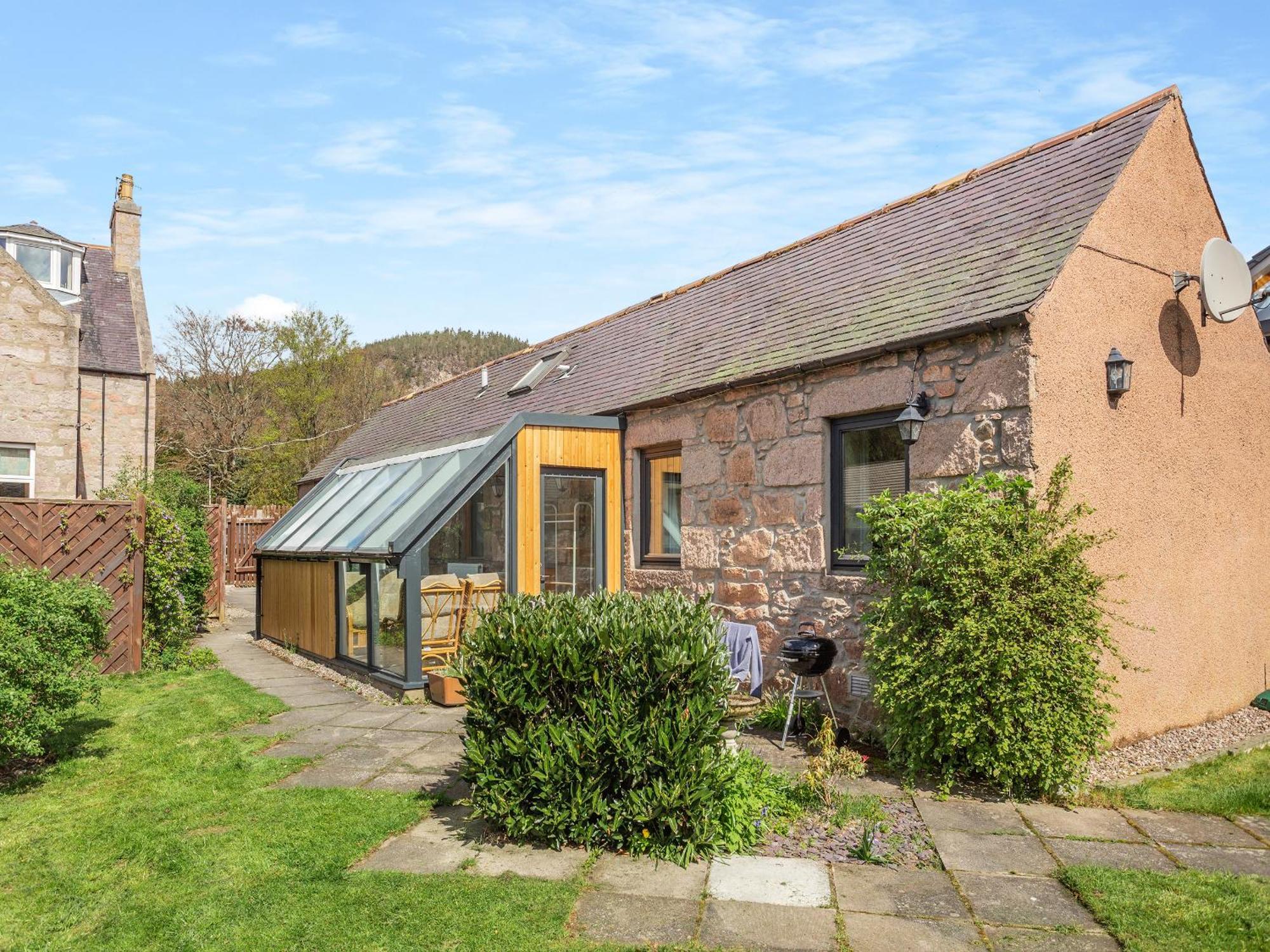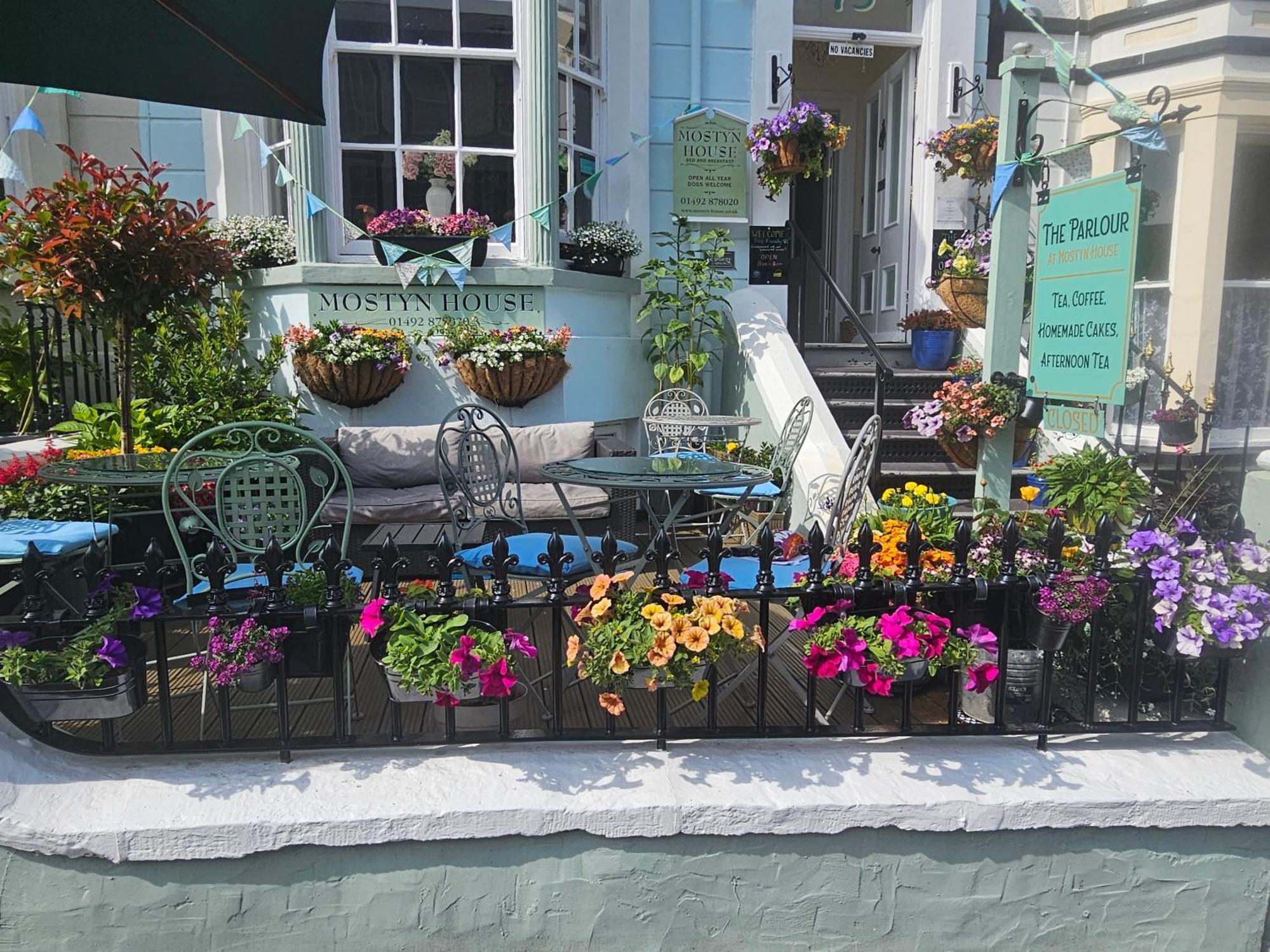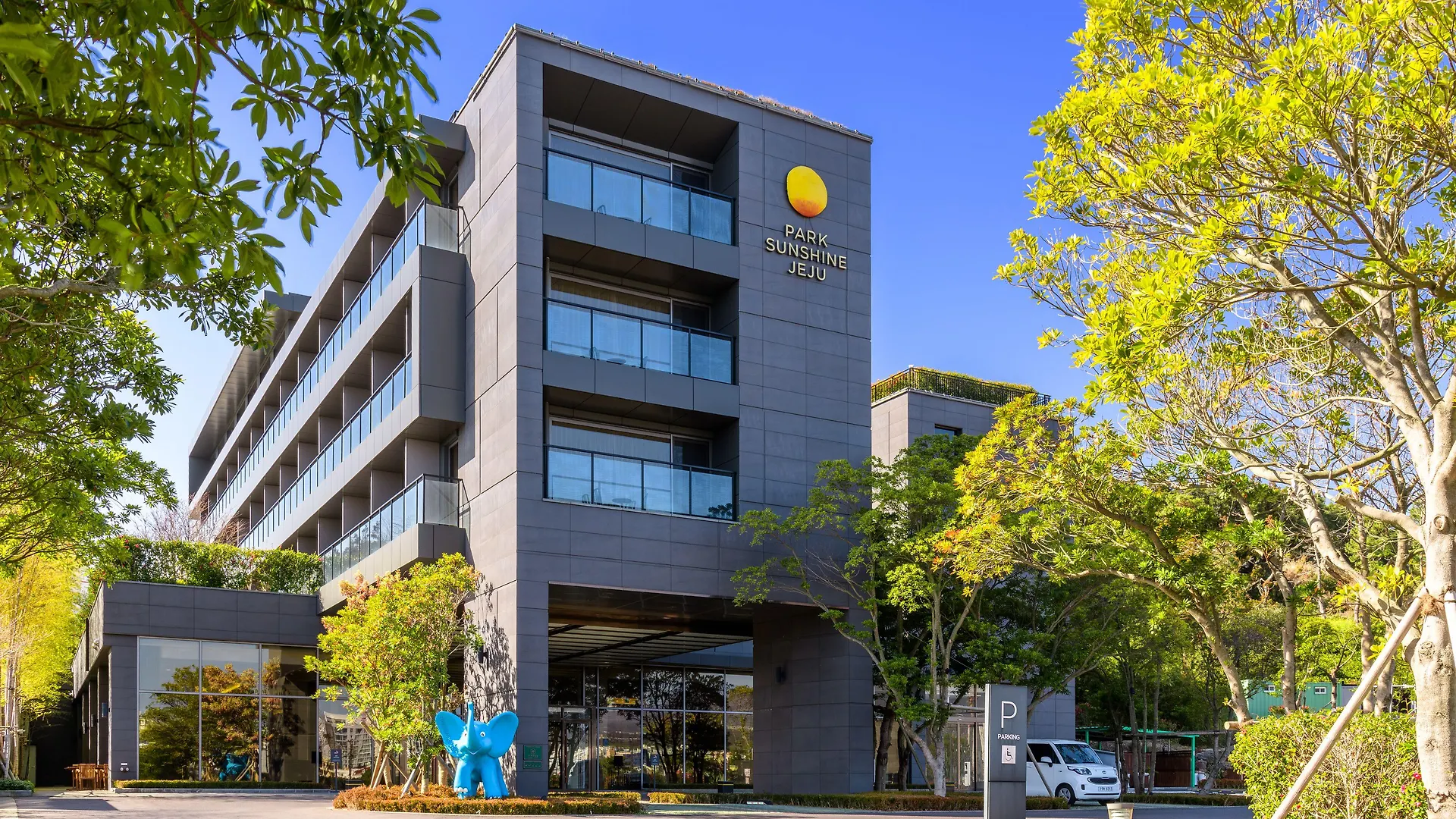
Seogwipo City sits on Jeju Island's southern coast and operates at a slower pace than Jeju City, but its central zone packs in enough density - waterfalls, food markets, coastal trails, and cultural streets - to make location genuinely matter. Staying centrally in Seogwipo means you're within reach of Cheonjiyeon Waterfalls, Lee Jung-seop Street, and Seogwipo Maeil Olle Market without needing to rent a car for daily errands. This guide compares the four most strategically positioned hotels in the heart of Seogwipo to help you choose the right base for your stay.
What It's Like Staying in Seogwipo City
Seogwipo City's downtown core is compact and navigable on foot, with most central attractions clustered within a 15-minute walk of each other. The area around Lee Jung-seop Street and Seogwipo Maeil Olle Market stays lively through the evening, particularly on weekends, while quieter streets near the waterfalls transition into peaceful, forested zones within minutes. Public bus connections to other parts of Jeju Island run regularly from the central bus terminal, but for reaching outlying natural sites like Olle Trails or Hallasan, you'll rely on scheduled routes or a rental car.
Seogwipo draws a noticeably different crowd than the north of the island - fewer package tourists, more independent travelers and domestic Korean visitors spending multiple nights. Around 70% of central accommodation is booked out during peak summer weeks in July and August, so early planning pays off significantly.
Pros:
- Walking access to Cheonjiyeon Waterfalls, Jeongbang Waterfalls, and Lee Jung-seop Street from most central properties
- Seogwipo Maeil Olle Market offers daily fresh seafood and local produce steps from the main hotel cluster
- Quieter, less commercially saturated atmosphere compared to Jeju City hotels
Cons:
- No metro or subway - island-wide transport relies on buses or rental cars
- Nightlife and entertainment options are limited compared to Jeju City's northern hub
- Parking near the central zone fills quickly during high season, especially summer weekends
Why Choose a Central Hotel in Seogwipo City
Central hotels in Seogwipo deliver consistent access to the city's most-visited landmarks without requiring daily transport costs. Unlike resort-style hotels scattered across the island's rural coast, properties in the downtown core place you within minutes of the famous waterfalls, cultural streets, and the working port - a meaningful advantage if you're here for three nights or fewer. Room rates in the central zone typically run lower than oceanfront resort alternatives further west, often by around 30%, while still offering modern facilities and strong connectivity.
Room sizes in Seogwipo City's central hotels tend toward the compact side - standard doubles in this category average around 25-30 m2 - but most properties compensate with balconies, panoramic windows, or rooftop access that extends your functional space. Traffic noise from the main commercial streets is a genuine consideration, particularly on Friday and Saturday evenings, so room floor selection matters when booking.
Pros:
- Immediate pedestrian access to waterfalls, markets, and the cultural district without needing transport
- Broader choice of breakfast-included rates compared to Jeju's remote resort sector
- Free parking available at several central properties - a practical saving given car rental costs on Jeju
Cons:
- Street-facing rooms on lower floors can experience weekend noise from the market and restaurant strip
- Fewer spa or large pool facilities than Jeju's dedicated resort complexes
- Limited walkability to beach areas - most central Seogwipo hotels require a short drive to reach sandy coastlines
Practical Booking & Area Strategy in Seogwipo City
The most strategically positioned block in central Seogwipo runs along and around Lee Jung-seop Street and the Seogwipo Maeil Olle Market corridor, where you're simultaneously close to dining, shopping, and the trailheads for the Olle Trail sections. Hotels within 500 meters of Cheonjiyeon Waterfalls give you early-morning access before tour groups arrive, which makes a real difference in the experience. Seogwipo's intercity bus terminal connects you to Jeju City in around 50 minutes, and local buses reach Jungmun Resort Complex - home to the Teddy Bear Museum, Pacific Land, and major beach access - in under 30 minutes.
Jeongbang Waterfalls, where fresh water drops directly into the ocean, sits east of the central core and is best reached by car or taxi in about 10 minutes. The Saeseom Island footbridge and Saeyeongyo Bridge are a short 5-minute drive south and worth building into an afternoon. Book central Seogwipo hotels at least 6 weeks ahead if traveling during the July-August peak; cherry blossom season in late March also drives occupancy spikes. The area feels safe at night with well-lit streets and foot traffic throughout the central zone until around 10 pm.
Best Value Stays
These properties deliver strong location advantages at accessible price points, with direct proximity to Seogwipo's most-visited sites and practical amenities suited to independent travelers.
-
1. Parksunshine Jeju
Show on map


 Check-infrom 14:00 until 23:59Check-outuntil 11:00
Just a few rooms left at the best rate!
from₩ 144838
-
2. Mstay Hotel
Show on map


 Check-infrom 15:00 until 23:30Check-outfrom 07:00 until 11:00
Just a few rooms left at the best rate!
from₩ 69337
Best Premium Stays
These two properties offer enhanced facilities, stronger in-hotel amenities, and positioning that gives direct walking access to Seogwipo's cultural and commercial core.
-
3. Hotel Bridge Seogwipo
Show on map


 Check-infrom 15:00 until 23:59Check-outuntil 11:00
Hurry – almost gone at this price!
from₩ 53929
-
4. Bk Hotel Jeju
Show on map


 Check-infrom 16:00 until 23:59Check-outuntil 11:00
Rooms filling fast – secure the best rate!
from₩ 63174
Smart Travel & Timing Advice for Seogwipo City
Seogwipo's central zone operates on a distinct seasonal rhythm driven largely by domestic Korean tourism. July and August are the busiest weeks - school holidays push occupancy above 90% across central hotels, and rates spike accordingly. The shoulder months of May, June, and September offer a measurably better experience: milder temperatures, fewer crowds at the waterfalls, and more flexible booking conditions. Late March brings cherry blossom activity that fills accommodation quickly despite being a brief window.
Winter in Seogwipo (December to February) is the quietest period, with rates dropping noticeably and the central streets feeling genuinely uncrowded - a good fit for travelers prioritizing atmospheric exploration over beach access. Most visitors find three nights sufficient to cover the central waterfall circuit, Lee Jung-seop Street, Seogwipo Port, and a day trip to Jungmun Resort Complex or the Olle Trail sections. Booking more than 6 weeks ahead for summer visits is strongly advisable; for October to April stays, two to three weeks' notice is usually enough to secure good room choices at central properties.