Staying in the Cotswolds means navigating a region of scattered villages, country lanes, and no single transport hub - which makes genuinely helpful hotel staff not a luxury, but a practical necessity. These four hotels stand out specifically for the quality of their teams, from local recommendations to seamless check-ins, across locations including Cheltenham, Burford, and the Chipping Norton area.
What It's Like Staying in the Cotswolds
The Cotswolds is a protected Area of Outstanding Natural Beauty covering parts of Gloucestershire, Oxfordshire, and Wiltshire - best known for honey-stone villages, rolling farmland, and a pace of travel that rewards slowness over efficiency. There is no direct train into the heart of the Cotswolds, so most visitors arrive by car or connect via Cheltenham, Oxford, or Moreton-in-Marsh. Crowds concentrate heavily between May and September, particularly in Bourton-on-the-Water, Bibury, and Burford, where weekend visitors can outnumber residents by around 10 to 1.
Those who stay overnight - rather than day-tripping from London or Bristol - get a measurably different experience: quieter mornings at the key viewpoints, better access to village pubs, and the ability to explore multiple towns across a few days without rushing. The Cotswolds rewards guests who use their hotel as a local base, which is precisely why staff quality here matters more than in a city hotel.
Pros:
- Exceptional rural scenery with genuinely walkable village centres in towns like Bourton-on-the-Water and Burford
- Overnight stays unlock quieter access to the most photogenic spots before day-trip crowds arrive
- Hotels and inns tend to be owner-managed with locally knowledgeable teams who can personalise your itinerary
Cons:
- No single transport hub - a car is effectively essential for exploring more than one or two villages
- Peak season (May to August) brings significant weekend overcrowding in the most famous villages
- Accommodation in the heart of the Cotswolds books out weeks in advance for summer weekends and Bank Holidays
Why Choose Hotels Rated for Staff Quality in the Cotswolds
In a region where GPS directions often lead down unmarked farm tracks and opening hours vary by season, hotel staff who genuinely know the area save time and prevent frustration. Highly rated staff at Cotswolds properties typically means locally sourced restaurant recommendations, honest driving-time advice, and proactive communication - not just polished check-in scripts. These hotels tend to be smaller inns and townhouse-style properties rather than large chains, which means teams are tighter-knit and more personally invested in each guest's stay.
Compared to standard accommodation in the region, properties flagged for staff excellence often carry a slight price premium - typically around 15% above equivalent-starred options - but that gap is offset by the practical value of expert local guidance when you're navigating a region with limited signage and variable public transport. Room sizes at these inns are typically characterful rather than large, with individually styled interiors replacing the standardised layouts of chain hotels.
Pros:
- Staff familiarity with local routes, seasonal events, and village-specific tips adds real itinerary value
- Smaller team sizes mean continuity - the same person who checks you in often serves breakfast and knows your preferences
- Highly rated staff correlates strongly with faster issue resolution, especially important in rural settings with limited alternatives nearby
Cons:
- Smaller properties may have limited availability, with some offering fewer than 10 rooms - requiring advance booking weeks ahead
- Staff-driven excellence can vary by season if core team members rotate during off-peak periods
- Individually styled rooms mean less consistency between room types - always confirm specific features before booking
Practical Booking & Area Strategy for the Cotswolds
The Cotswolds does not have a single centre - it functions as a constellation of market towns and villages, so where you base yourself directly shapes what you can access easily. Cheltenham is the strongest base for transport links, with a train station connecting to London Paddington in around 2 hours and good road access to the M5 motorway, making it practical for those combining city and countryside. Burford, positioned on the A40, is one of the most convenient village bases for reaching both Oxford (around 45 minutes by car) and the central Cotswolds villages, including Bourton-on-the-Water and Bibury.
For visitors focused on the northern Cotswolds - Chipping Norton, Moreton-in-Marsh, and Chastleton - properties in the Chipping Norton area place you within a short drive of some of the region's least-visited but most rewarding villages. Book at least 6 weeks ahead for any Friday or Saturday night between April and October - this is not precautionary advice, it reflects real availability patterns. Midweek stays in the shoulder season (March-April or October-November) offer noticeably lower rates and far fewer crowds at the key visitor sites.
Best Value Stays
These properties offer strong staff ratings alongside solid value, making them well-suited for travellers who want genuine local hospitality without overspending on the accommodation itself.
-
1. The Wychwood Inn
Show on map


 Check-infrom 15:00 until 22:00Check-outfrom 08:00 until 11:00
Just a few rooms left at the best rate!
from£ 191
-
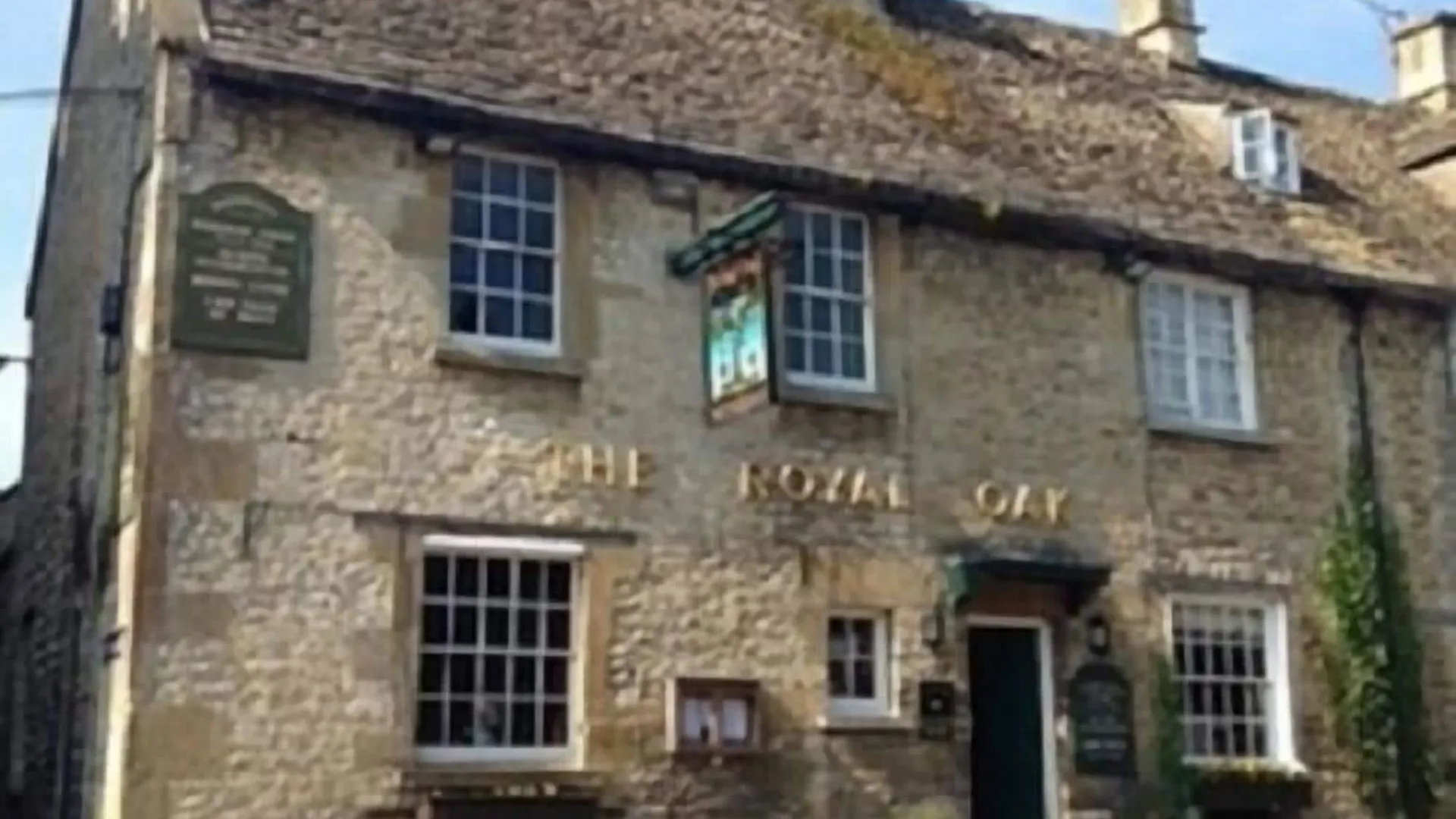
2. The Royal Oak Burford
Show on map


 Check-infrom 12:00 until 22:00Check-outfrom 06:00 until 10:00
Just a few rooms left at the best rate!
from£ 82
-
3. The Mousetrap Inn
Show on map


 Check-infrom 15:00 until 20:00Check-outuntil 10:00
Hurry – almost gone at this price!
from£ 88
Best Premium Stay
For travellers prioritising a more curated and design-led experience, this Cheltenham townhouse property steps up in room quality, amenities, and refined hospitality.
-
4. No38 The Park
Show on map


 Check-infrom 15:00 until 23:59Check-outuntil 11:00
Rooms filling fast – secure the best rate!
from£ 130
Smart Travel & Timing Advice for the Cotswolds
The Cotswolds has two distinct demand peaks: summer weekends (June through August) and the Cheltenham Festival in March, during which accommodation prices across the region spike sharply and availability collapses within days of rooms going live. March race week in Cheltenham sees rates increase by around 60% compared to surrounding weeks - if your visit aligns with the Festival, book the moment dates are confirmed, often 3 to 4 months in advance. Outside these spikes, the shoulder seasons of April to early May and October offer the most balanced conditions: manageable crowds, full facilities, and lower nightly rates.
Most Cotswolds itineraries work best over 3 nights minimum - enough to base yourself in one location while making day trips to 4 or 5 villages without feeling rushed. Midweek arrivals consistently unlock better availability and room choice, particularly at smaller inns with under 10 rooms where weekend sellouts are the norm rather than the exception. Last-minute bookings in peak season carry real risk in this region - rural alternatives are limited and distances between towns mean you cannot simply walk to the next hotel.